
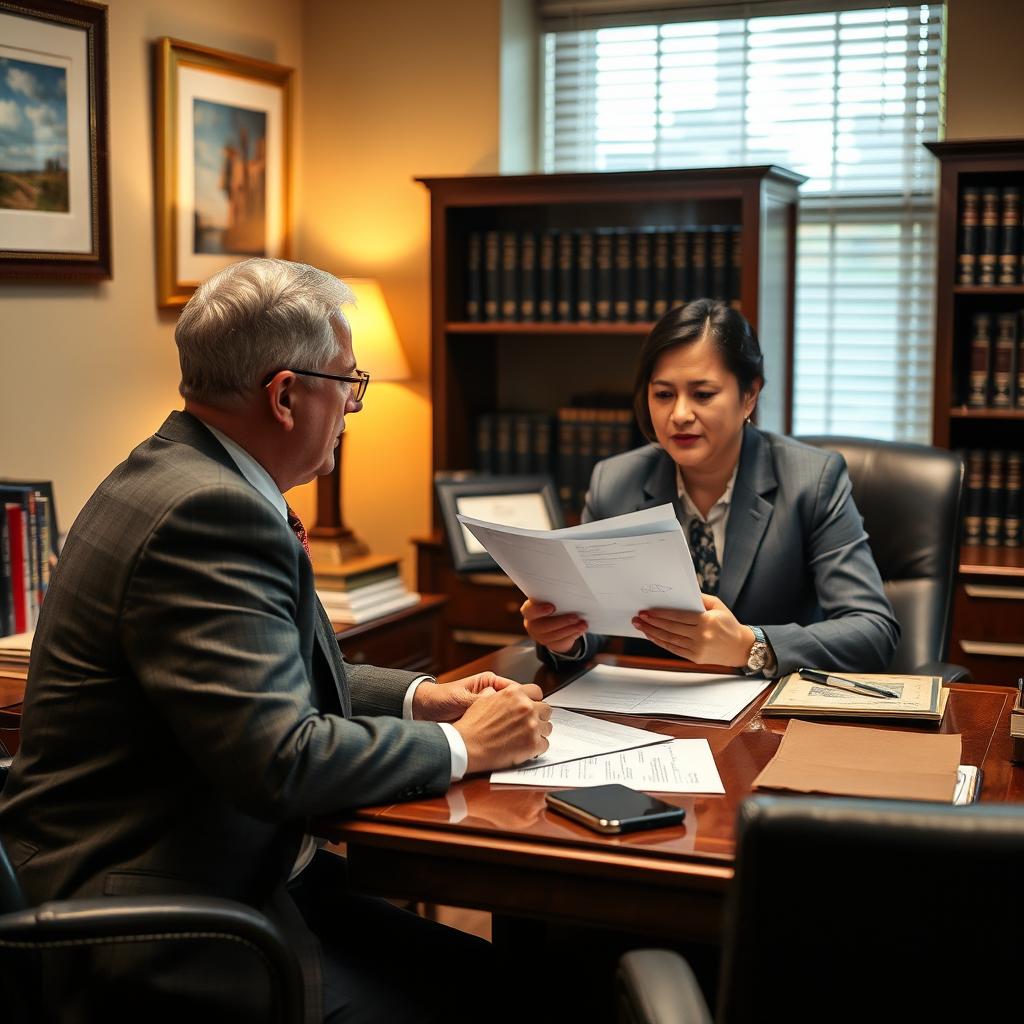
Norfolk Military Divorce Lawyer Shenandoah County, VA
Military families in Shenandoah County—including those stationed across the Virginia military installations or those with ties to Naval Station Norfolk—face divorce proceedings that involve unique federal and state laws. Service members, their spouses, and dependents must address issues that civilian divorces rarely encounter: the Servicemembers Civil Relief Act (SCRA), military pension division under the Uniformed Services Former Spouses’ Protection Act, jurisdiction over military pay, and the interplay between Virginia’s equitable distribution system and the military retirement system. Law Offices Of SRIS, P.C., with a location in Woodstock, represents clients throughout Shenandoah County in military divorce matters, combining extensive combined legal experience between Mr. Sris and the firm’s Of Counsel attorneys with a practical understanding of how military service affects child custody, spousal support, and the division of military benefits. Results may vary. To schedule a consultation, reach the firm at (888) 437-7747. Law Offices Of SRIS, P.C. – Advocacy Without Borders.
What Military Divorce Means in Shenandoah County
Military divorce in Shenandoah County is a specialized area of family law that operates within both the Virginia domestic relations framework and the federal protections afforded to service members. When a military member or their spouse files for divorce in Shenandoah County—typically in the Shenandoah County Circuit Court, which has exclusive jurisdiction over divorce—the court must apply Virginia’s equitable distribution statute, Va. Code § 20-107.3, alongside the SCRA, which can stay proceedings if a service member’s duties materially affect their ability to participate. The Shenandoah County Juvenile & Domestic Relations District Court may handle ancillary matters such as child support and custody, but the divorce itself and the division of military retirement are resolved in the Circuit Court.
The firm’s Shenandoah/Woodstock location serves communities along the I-81 corridor, including Woodstock, Edinburg, Strasburg, Mount Jackson, Toms Brook, and New Market. Many families in the area have connections to military installations across Virginia, including those in the Norfolk area. Whether a service member is deployed overseas, stationed stateside, or transitioning to civilian life, the court’s scheduling and procedural rules must account for the military obligations of the parties. Mr. Sris and the firm’s Of Counsel attorneys routinely address these concerns, drawing on experience with military leave policies, deployment-related custody modifications, and the precise requirements for dividing Thrift Savings Plan accounts and military pensions through a qualifying court order acceptable to the Defense Finance and Accounting Service (DFAS).
How Mr. Sris and the Firm’s Of Counsel Attorneys Handle Military Divorce Cases
Military divorce cases require careful attention to service of process, particularly when a spouse is stationed outside of Virginia or deployed abroad. The firm works to ensure that all procedural requirements—including those under the SCRA—are satisfied before moving forward with equitable distribution and support determinations. Mr. Sris and the firm’s Of Counsel attorneys concentrate on identifying the marital share of military retirement, valuing pensions under the applicable Department of Defense actuarial tables, and proposing property division that accounts for both the military member’s future earning capacity and the spouse’s contributions during the marriage.
Child custody and visitation present additional complexities when one parent is in the military. Deployments, temporary duty assignments, and relocations trigger the need for parenting plans that can adapt to a service member’s schedule while still protecting the child’s best interests under Va. Code § 20-124.3. The firm’s approach includes working with clients to draft custody agreements that address potential future changes, helping to avoid contempt proceedings or emergency modifications. Throughout the process, the firm maintains a focus on achieving resolutions that allow both parties to move forward, whether through negotiation, mediation, or litigation in the Shenandoah County courts.
About Mr. Sris and the Firm’s Of Counsel Attorneys
Mr. Sris, Owner and Founder of Law Offices Of SRIS, P.C., practices in Virginia, Maryland, the District of Columbia, New Jersey, and New York. He founded the firm in 1997 and is a former prosecutor. Mr. Sris testified before the Virginia House Courts of Justice Committee in support of 2019 HB 635 (chief patron Del. David Bulova). His experience includes guiding military families through the financial and custodial dimensions of divorce, including the intersection of Virginia equitable distribution and the Uniformed Services Former Spouses’ Protection Act.
The firm’s Of Counsel attorneys bring extensive combined legal experience between Mr. Sris and the firm’s Of Counsel attorneys to matters involving military service members. Results may vary. The team handles cases with an understanding of the specific challenges that arise when a spouse is in the armed forces, from jurisdictional questions to the enforcement of support orders across state lines. For a consultation, reach Mr. Sris and the firm’s Of Counsel attorneys at (888) 437-7747.
Frequently Asked Questions
How does a military divorce differ from a civilian divorce in Shenandoah County?
A military divorce in Shenandoah County differs from a civilian divorce primarily because federal law—particularly the Servicemembers Civil Relief Act—may stay the case if a service member cannot participate due to duty, and because military retirement pay is divisible only under the Uniformed Services Former Spouses’ Protection Act via a qualifying court order. The Shenandoah County Circuit Court applies Virginia equitable distribution, but it must also ensure that the division of a pension meets federal requirements. Custody and visitation orders may also need to account for deployment schedules that civilian families do not face, and the SCRA can temporarily halt child support enforcement under certain conditions.
Can I file for divorce in Shenandoah County if my spouse is stationed in Norfolk or another state?
Yes, you may file for divorce in Shenandoah County if you or your spouse meets Virginia’s six-month residency requirement under Va. Code § 20-97. A military service member stationed in Virginia can establish domicile for divorce purposes even if their permanent home of record is elsewhere. The same residency rule applies to the non-military spouse. If the service member is deployed or stationed out of state, service of process may be affected, but the case can still proceed in Shenandoah County so long as the jurisdictional requirements are met and the SCRA is satisfied.
How is military retirement pay divided in a Shenandoah County divorce?
Military retirement pay is treated as marital property subject to equitable distribution under Virginia law to the extent it was earned during the marriage, and it can be divided by a qualifying court order that complies with the Uniformed Services Former Spouses’ Protection Act. The Shenandoah County Circuit Court will determine the marital share using the length of the marriage overlapping military service, then apply Virginia’s factors under Va. Code § 20-107.3 to decide how to apportion it. The order must meet specific DFAS requirements to be enforceable, which is why experienced counsel is important in drafting the final decree.
What happens to child custody when a military parent deploys?
Under Virginia law, a deploying parent’s absence does not automatically change custody; the court can enter a temporary order or include a deployment clause in the permanent parenting plan that preserves the parent-child relationship and provides for the child’s stability. Shenandoah County courts consider the trusted interest factors under Va. Code § 20-124.3, and the SCRA may permit a stay of modification proceedings while the parent is deployed. Many families use a pre-deployment custody agreement that spells out how visitation and communication will work, reducing conflict and the need for emergency motions.
Do I need a lawyer for a military divorce in Shenandoah County, or can I handle it through the JAG office?
While a JAG attorney can provide general legal assistance, they cannot represent you in court during a divorce, so retaining an experienced family law attorney is important to protect your rights regarding property division, support, and custody. JAG officers serve the military member’s command and are neither permitted nor equipped to litigate a contested divorce in the Shenandoah County Circuit Court. A private attorney can advocate for your interests, navigate the SCRA, and ensure that your settlement or trial outcome is consistent with both Virginia law and federal military statutes.
How long does a contested military divorce take in Shenandoah County?
The timeline for a contested military divorce in Shenandoah County varies by case complexity, the court’s calendar, and any SCRA stays, but contested matters often resolve over many months. The Shenandoah County Circuit Court schedules hearings based on its docket, and if one party is deployed or stationed elsewhere, coordination can add time. A divorce that settles through negotiation or a separation agreement can be finalized more quickly, but when trial is necessary, the process can extend significantly. To discuss the details of your matter, contact Law Offices Of SRIS, P.C. at (888) 437-7747.
Reference: Virginia Code Title 20 · Virginia Courts
Attorney advertising. Prior results do not guarantee a similar outcome. Results may vary.
Case results depend on a variety of factors unique to each case.