
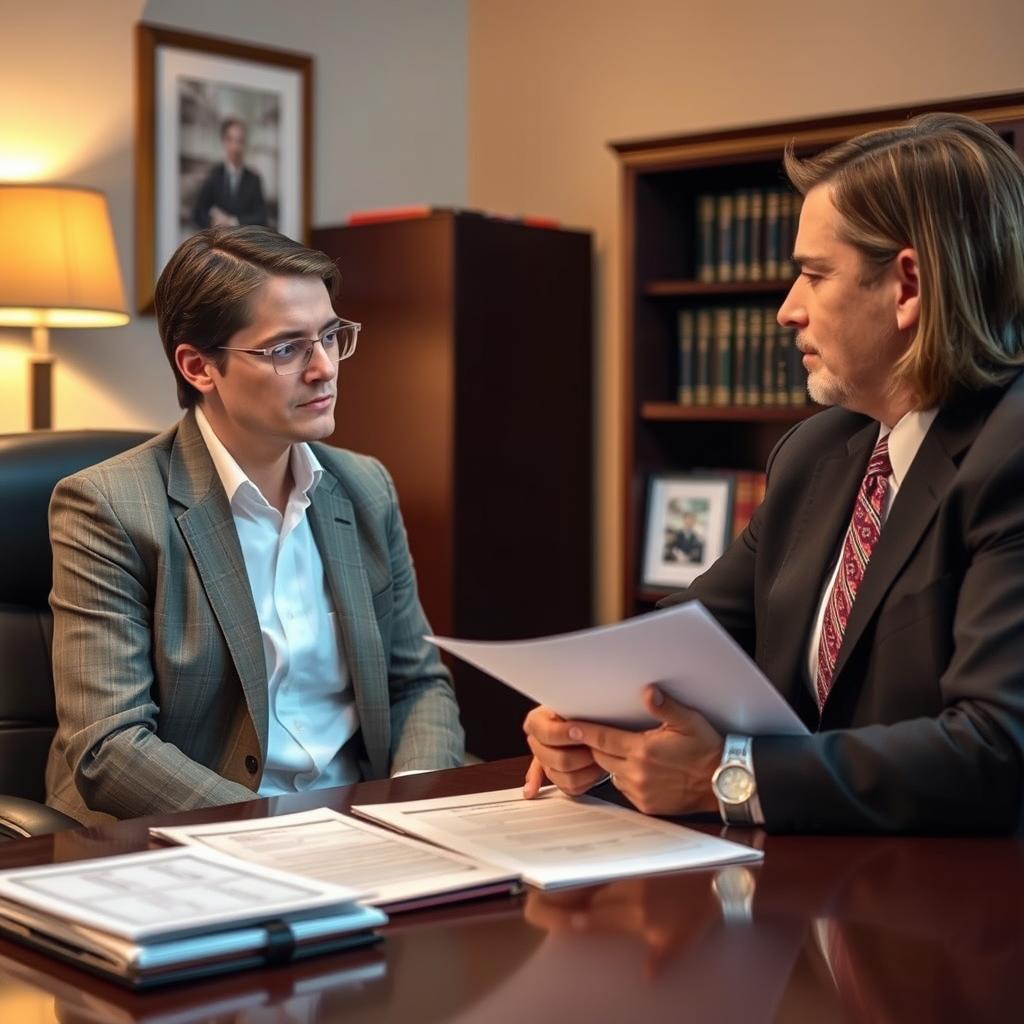
Internet Sex Crime Lawyer Woodstock, VA
Internet sex crime charges in Virginia, including online solicitation of a minor under Va. Code § 18.2-374.3, are Class 5 felonies with potential sentences of one to ten years in prison. In Woodstock and across Shenandoah County, these cases are investigated actively by state and local task forces, often using undercover officers posing as minors in chat rooms, social media platforms, and messaging applications. The stakes are extremely high. A conviction can bring incarceration, mandatory sex offender registration, and lasting damage to your reputation, employment, and family life. Mr. Sris, Owner and Founder of Law Offices Of SRIS, P.C., and his Of Counsel team represent individuals facing internet sex crime allegations in the Shenandoah County General District Court and Circuit Court. If you are the subject of an investigation or have been arrested, request a consultation as early as possible to begin building a defense. Reach Law Offices Of SRIS, P.C. at (888) 437-7747. Law Offices Of SRIS, P.C. – Advocacy Without Borders.
What Internet Sex Crime Means in Woodstock
Woodstock is the seat of Shenandoah County, situated in the Twenty-Sixth Judicial District. Criminal cases originating in the Woodstock area are heard at the Shenandoah County General District Court for misdemeanor charges and preliminary hearings, and at the Shenandoah County Circuit Court for felony trials and appeals. Internet sex crime matters, which range from possession or distribution of illicit images to online enticement and solicitation, are prosecuted by the Commonwealth’s Attorney’s office. The county’s location along the I-81 corridor means that residents and visitors alike may encounter law enforcement operations that target online activity.
Law enforcement in Virginia routinely conducts proactive sting operations in which an officer creates a fictional profile presenting as a minor. Communications that suggest a meeting or request explicit material can result in charges even if no in-person encounter ever takes place. The statute Va. Code § 18.2-374.3 defines the offense broadly, and a conviction does not require proof that the defendant intended to harm an actual child; the offense is completed by the prohibited online conduct itself. Because the evidence in these investigations is digital—stored on servers and devices— defense strategy often turns on how law enforcement obtained and preserved that evidence, and whether proper protocols were followed. Mr. Sris and his Of Counsel appear regularly in Shenandoah County courts and bring an informed perspective to the local prosecution environment.
How Mr. Sris and His Of Counsel Handle Internet Sex Crime Cases
When a prospective client contacts Law Offices Of SRIS, P.C., the initial consultation focuses on understanding the specific charges and the circumstances of the investigation. Did law enforcement obtain a search warrant? Were forensic images taken from a device without consent? What did the online conversation actually say? These questions guide the early steps. Mr. Sris and his Of Counsel review discovery, examine the chain of custody for digital evidence, and evaluate whether any constitutional or procedural errors may support a motion to suppress or a reduction of charges.
Internet sex crime defense is not a one-size-fits-all process. In some matters, negotiations with the Commonwealth’s Attorney lead to amended charges that avoid mandatory sex offender registration. In others, thorough investigation reveals that the government’s case rests on unreliable forensic interpretations or questionable investigative tactics. When trial is the trusted course, Mr. Sris and his Of Counsel are prepared to litigate. Throughout the representation, the team communicates directly with clients, explains the potential consequences of each decision, and works to secure favorable outcomes under the facts of the case. No one can promise a particular result, but the firm’s twenty‑eight years of criminal defense experience in Virginia give clients a realistic understanding of what they face.
About Mr. Sris and His Of Counsel Team
Mr. Sris, Owner and Founder of Law Offices Of SRIS, P.C., is a former prosecutor who has practiced law since 1997. He is admitted in Virginia, Maryland, the District of Columbia, New Jersey, and New York. Mr. Sris testified before the Virginia House Courts of Justice Committee in support of 2019 HB 635 (chief patron Del. David Bulova). He is supported by a team of Of Counsel attorneys who bring decades of additional criminal defense experience. Together, Mr. Sris and his Of Counsel bring over 120 years of combined legal experience and have documented 4,739+ case results across all practice areas. Results may vary. The firm has served more than 10,000 clients.
Clients in the Woodstock area can schedule an appointment at the firm’s Shenandoah/Woodstock location by calling (888) 437-7747. The address is 505 N Main St, Suite 103, Woodstock, VA 22664 (by appointment only). The firm also maintains locations in Fairfax, Richmond, Ashburn, Arlington, and other jurisdictions throughout the five-state region.
Frequently Asked Questions
What is considered an internet sex crime under Virginia law?
Under Va. Code § 18.2-374.3, it is a felony to use a computer, smartphone, or any online communication to solicit, entice, or attempt to meet a minor for sexual purposes. The statute covers a range of conduct, including sending indecent materials, requesting explicit photographs, and making plans to meet in person. The offense does not require that any actual minor be involved; a law enforcement officer posing as a minor is sufficient to support a charge. This means that a person who engages in online conversations with someone they believe is a minor can be prosecuted even if no child was ever at risk. The law treats the attempt just as harshly as a completed act.
Can I be charged if the “minor” was actually an undercover officer?
Yes. Virginia courts have consistently held that an internet sex crime charge under § 18.2-374.3 does not require a real minor; the defendant’s belief that they were communicating with a minor, combined with actions taken in furtherance of a prohibited goal, is enough to sustain a conviction. Law enforcement regularly conducts sting operations using decoy profiles on social media, dating apps, and gaming platforms. If an officer posing as a minor engages in conversations that lead to a plan to meet or an exchange of explicit material, an arrest can follow. The key factual question is what the defendant said and did, not who the other person actually was.
What are the penalties for an internet sex crime conviction in Virginia?
Online solicitation of a minor is a Class 5 felony, punishable by one to ten years in prison, plus fines. The sentencing judge has discretion to impose a jail term of up to twelve months if the jury does not recommend a prison sentence. Additional consequences include mandatory sex offender registration, which carries lifetime reporting obligations and restrictions on where you can live and work. Probation, sex offender treatment, and internet usage monitoring are common post‑conviction conditions. A conviction may also affect professional licenses, custody rights, and immigration status. The exact sentence depends on the specific facts, prior record, and the strength of the defense.
What should I do if I am under investigation or arrested?
Contact a criminal defense lawyer immediately and do not discuss the case with anyone except your attorney. Law enforcement may try to obtain a statement before you have legal representation. Exercise your right to remain silent. Do not delete messages, emails, or social media accounts—destroying evidence can lead to obstruction charges. Preserve all devices and accounts in their current state. A lawyer can intervene early to protect your rights, review the search warrant, and begin building a defense. The earlier counsel is involved, the more options there are to shape the direction of the investigation.
Do I need a lawyer for an internet sex crime charge in Woodstock?
Yes. Because a conviction triggers mandatory sex offender registration and potential incarceration, the assistance of an experienced criminal defense attorney is critical. The Shenandoah County Commonwealth’s Attorney has discretion to offer plea resolutions, but negotiating an amendment that avoids the sex offender registry requires knowledge of the law and familiarity with the local court. Mr. Sris and his Of Counsel have appeared in Woodstock courts for many years and understand the prosecutorial approach in the Twenty‑Sixth Judicial District. Legal representation from the outset gives you the trusted chance of a favorable resolution. For a consultation, reach Mr. Sris and his Of Counsel at (888) 437-7747.
Serving Woodstock and nearby communities: Fairfax County criminal defense lawyer · Fairfax (City) criminal defense lawyer · Falls Church (City) criminal defense lawyer · Prince William County criminal defense lawyer · Manassas (City) criminal defense lawyer
View primary legal sources: Virginia Code Title 18.2 · Shenandoah County Circuit Court
Attorney advertising. Prior results do not guarantee a similar outcome. Results may vary.
Case results depend on a variety of factors unique to each case.