
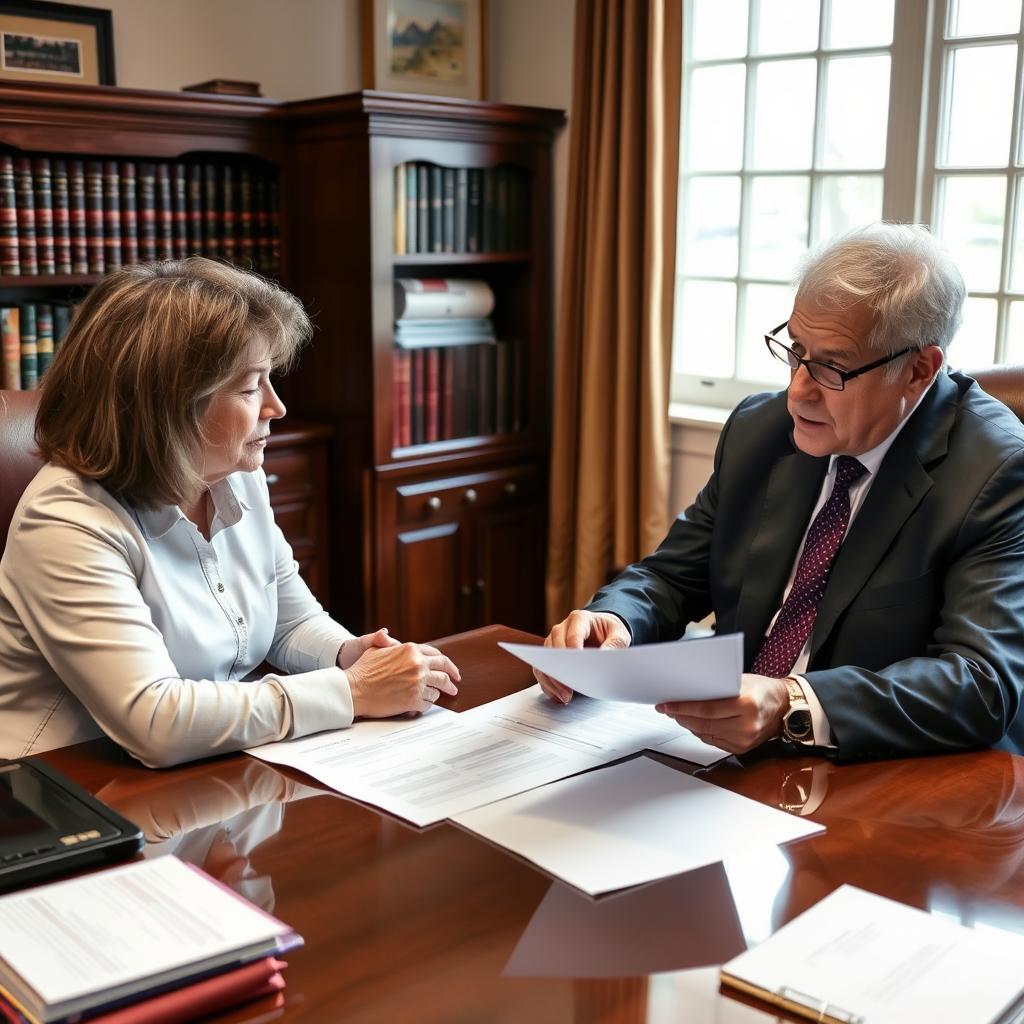
Grandparent Custody Lawyer Shenandoah County, VA
Grandparent custody cases in Shenandoah County arise when a child’s parents are unable or unwilling to provide a safe, stable home, and a grandparent steps forward to seek legal custody. The legal standard that controls every custody decision is the best interests of the child, evaluated under Va. Code § 20-124.3. For grandparents, this ordinarily requires demonstrating that the child’s parents are unfit or that other extraordinary circumstances justify placing the child with a grandparent. The Shenandoah County Juvenile & Domestic Relations District Court and the Shenandoah County Circuit Court each hear these matters, and navigating the procedural and evidentiary demands of either court calls for experienced guidance. Law Offices Of SRIS, P.C., founded in 1997, represents grandparents in custody proceedings across the Shenandoah Valley—covering Woodstock, Edinburg, Strasburg, Mount Jackson, Toms Brook, New Market, and surrounding communities. Mr. Sris and the firm’s Of Counsel attorneys understand the statutory factors, the local court practices, and the sensitive nature of these family matters. To discuss your grandparent custody situation, contact the firm at (888) 437-7747. Law Offices Of SRIS, P.C. – Advocacy Without Borders.
What Grandparent Custody Means in Shenandoah County
In Virginia, a grandparent may seek custody of a grandchild when the child’s biological or adoptive parents are not acting in the child’s best interests. Unlike a parent, a grandparent does not have an automatic legal preference. The grandparent must present clear and convincing evidence—typically showing parental unfitness, a history of abuse or neglect, or other extraordinary circumstances—before the court can consider transferring custody. The statutory touchstone is set out in Va. Code § 20-124.2 and § 20-124.3, which direct the court to weigh ten specific factors, including the child’s age and physical condition, the relationship between the child and each party, the role each person has played in the child’s life, any history of family abuse, and other considerations the court deems necessary.
Shenandoah County, part of Virginia’s Twenty-Sixth Judicial District, handles these matters through two separate tribunals. The Shenandoah County Juvenile & Domestic Relations District Court generally hears petitions for custody, visitation, and support when the parties are not already involved in a divorce proceeding. When a divorce is pending, custody issues are resolved in the Shenandoah County Circuit Court. Both courts apply the same best-interests standard, but procedural rules differ. In the J&DR Court, a petition for grandparent custody must be filed with the court clerk, and service must be completed on all necessary parties. The court often appoints a Guardian ad Litem to represent the child’s interests, and the judge will schedule hearings based on the court’s calendar. The firm’s attorneys are familiar with local judicial preferences and regularly appear in both the J&DR and Circuit Courts for Shenandoah County family law matters.
How Mr. Sris and the Firm’s Of Counsel Attorneys Handle Grandparent Custody Cases
Grandparent custody litigation in Shenandoah County is fact-intensive. The outcome turns on the specific evidence presented to the court. The firm’s approach begins with a thorough evaluation of the circumstances: the current caretaking arrangement, any existing court orders, the fitness of the parents, and the statutory factors under Va. Code § 20-124.3. Mr. Sris and the firm’s Of Counsel attorneys gather relevant records, identify witnesses, and develop a legal theory grounded in the statute and Virginia case law. The goal is to present the court with a clear, well-supported picture of why placing the child with the grandparent serves the child’s best interests.
Because these cases often involve allegations of parental misconduct or neglect, the firm is prepared to work with social services, medical professionals, and school personnel to build the evidentiary record. If an agreement can be reached without a trial—for example, through a negotiated custody or visitation order—the attorneys pursue that path to reduce the emotional strain on the child. When litigation is necessary, the firm represents the grandparent at all hearings, from preliminary motions to the final custody trial. Throughout the process, the firm remains available to answer questions and provide updates, keeping in mind that the paramount concern is the child’s well-being.
About Mr. Sris and the Firm’s Of Counsel Attorneys
Mr. Sris, Owner and Founder of Law Offices Of SRIS, P.C., established the firm in 1997. A former prosecutor, he brings an in-depth understanding of courtroom procedure and evidence. His practice spans family law, criminal defense, and immigration matters across Virginia, Maryland, the District of Columbia, New Jersey, and New York. Mr. Sris testified before the Virginia House Courts of Justice Committee in support of 2019 HB 635 (chief patron Del. David Bulova).
The firm’s Of Counsel attorneys contribute substantial trial and family-law experience. Mr. Sris and the firm’s Of Counsel attorneys bring extensive combined legal experience to grandparent custody and other family law matters. Results may vary. Every case receives focused attention, and the firm works to achieve outcomes that protect the child while respecting the family’s circumstances. Contact the firm at (888) 437-7747 to schedule a consultation.
Frequently Asked Questions
Can a grandparent get custody of a grandchild in Virginia?
Yes, a grandparent can obtain custody in Virginia if the court finds by clear and convincing evidence that the child’s parents are unfit or that other extraordinary circumstances exist, and that granting custody to the grandparent serves the child’s best interests. The grandparent must file a petition in the appropriate court and meet the heightened evidentiary standard. The court applies the ten statutory factors listed in Va. Code § 20-124.3, weighing the child’s needs, the grandparent’s relationship with the child, and any history of family abuse. Because the legal threshold is demanding, working with an attorney experienced in Virginia custody law is often essential.
What is the difference between grandparent custody and grandparent visitation in Shenandoah County?
Custody gives a grandparent the legal right to make major decisions for the child and to have the child live with them; visitation grants court-ordered time with the child, while the parent retains legal and physical custody. Virginia law generally favors parental autonomy, so a grandparent seeking visitation must overcome the parental presumption by showing that denying visitation would harm the child. The Shenandoah County Juvenile & Domestic Relations District Court hears both custody and visitation petitions, depending on the specific circumstances. An attorney can help determine which remedy fits the family’s situation.
How does the court decide what is in the child’s best interests?
The court evaluates ten statutory factors under Va. Code § 20-124.3, including the child’s age and health, the relationship between the child and each party, the willingness of each party to support the child’s contact with the other parent, and any history of abuse. No single factor controls; the judge weighs all the evidence to reach a decision that protects the child’s welfare. The court may also consider the child’s own preference if the child is of sufficient age and maturity. The process is highly individualized, and presenting a complete, persuasive factual record is crucial.
Do I need a lawyer for a grandparent custody case in Shenandoah County?
While you are not legally required to hire a lawyer, an attorney can help you navigate the procedural rules, meet the elevated burden of proof, and present your case effectively before the Shenandoah County Juvenile & Domestic Relations District Court or Circuit Court. Grandparent custody petitions involve complex evidentiary requirements and court deadlines. An experienced custody attorney can gather necessary documentation, identify the right legal arguments, and advocate at hearings. Having professional representation often makes a material difference in the presentation and outcome of the case.
What should I bring to a consultation with a grandparent custody attorney?
Bring any existing court orders, custody or visitation agreements, relevant correspondence with the parents, documentation of the child’s living arrangements, school and medical records, and information about any Department of Social Services involvement. If you have already started a case, also bring the petition and any notices you have received. A complete set of records allows the attorney to assess the strengths and weaknesses of your situation and offer meaningful guidance. For a consultation, reach the firm at (888) 437-7747.
How long does a grandparent custody case take in Shenandoah County?
The length of a grandparent custody case depends on factors such as court scheduling, the complexity of the evidence, and whether the matter can be resolved by agreement or requires a full trial. Emergency or preliminary hearings may be set relatively quickly, while a final custody trial may take several months from the date of filing. The timeline is dictated by the court’s docket and the specific issues in dispute. The firm works to move the case forward efficiently while ensuring the grandparent’s position is fully prepared.
Family Law Lawyer Clarke County |
Family Law Lawyer Frederick County |
Family Law Lawyer Warren County
For additional statutory guidance, see the Virginia Code Title 20 and the Virginia Judicial System.
Attorney advertising. Prior results do not guarantee a similar outcome.
Case results depend on a variety of factors unique to each case.