
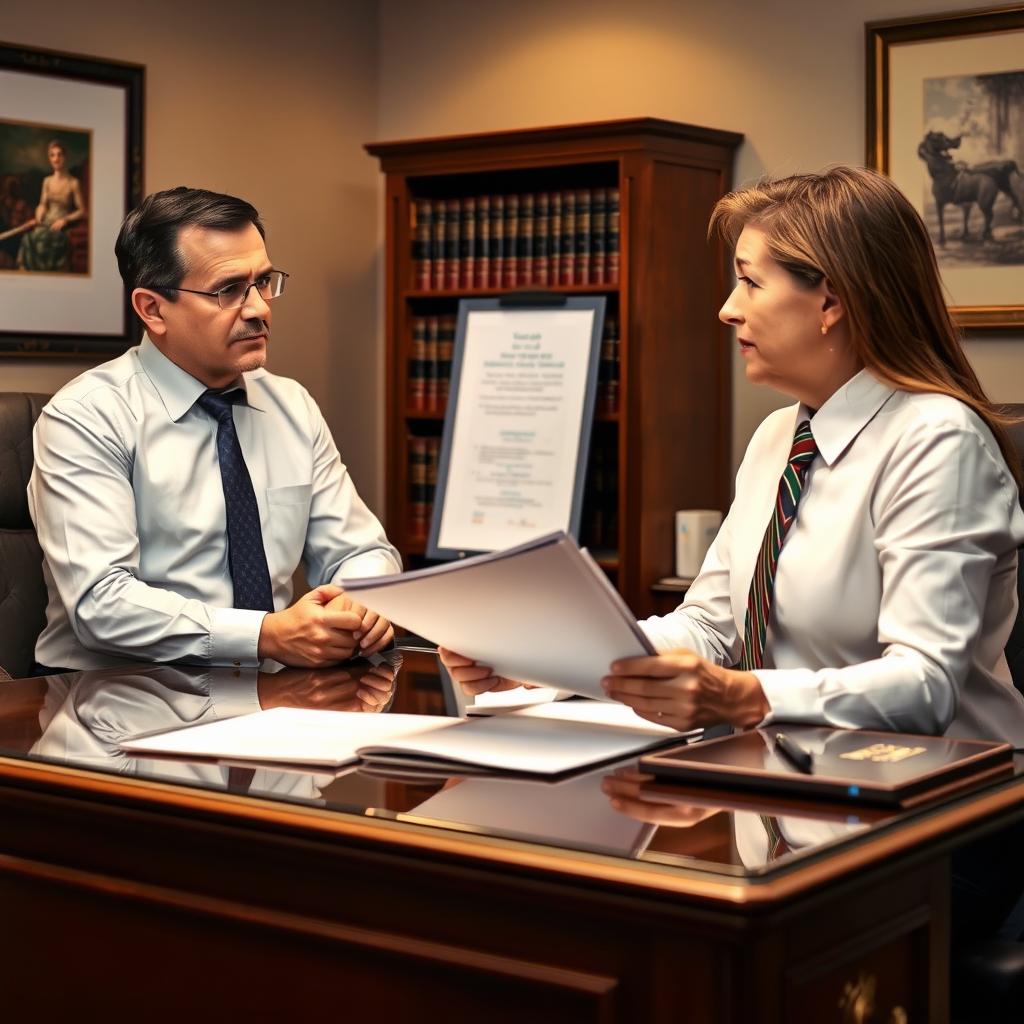
Cruelty Divorce Lawyer Lexington, VA
Virginia law recognizes several fault-based grounds for ending a marriage, and cruelty is one of the most serious. Under Va. Code § 20‑91, a spouse may file for divorce on the ground of cruelty, which includes conduct that causes reasonable apprehension of bodily harm. This is not a matter of ordinary marital discord; the court must find that the conduct was so severe that it made continued cohabitation unsafe. For residents of Lexington, Rockbridge County, and the surrounding communities, pursuing a cruelty-based divorce means navigating the Lexington Circuit Court and presenting a case that meets the statutory standard. Law Offices Of SRIS, P.C. represents clients in these matters, drawing on the experience of Mr. Sris — a former prosecutor and Owner and Founder of the firm — and the firm’s Of Counsel attorneys. Our Shenandoah Location serves Lexington families from 505 N Main St, Suite 103, Woodstock, VA 22664, and we are available at (888) 437-7747 to discuss your situation. Whether you are the spouse alleging cruelty or the spouse defending against such allegations, having informed legal guidance can make a significant difference in the outcome of your case. Reach our firm today to request a consultation. Law Offices Of SRIS, P.C. – Advocacy Without Borders.
What Cruelty Divorce Means in Lexington
For Lexington residents, a cruelty divorce is filed in the Lexington Circuit Court, which has exclusive original jurisdiction over divorce proceedings in the City of Lexington. The Lexington Juvenile and Domestic Relations District Court handles ancillary matters such as custody, visitation, and protective orders, but the divorce itself — and any related property division — proceeds in the Circuit Court. Cruelty, as defined by Virginia case law, generally encompasses physical abuse, threats of violence, or a pattern of conduct that endangers the well‑being of the other spouse. Because Virginia is an equitable distribution state, the presence of fault grounds such as cruelty can also influence the division of marital property and the award of spousal support.
Lexington is situated within the Twenty‑fifth Judicial District, encompassing a region with deep ties to institutions like Virginia Military Institute and Washington and Lee University. The court at 2 South Main Street, Lexington, VA 24450, handles cases with the procedural formalities required by the Virginia Rules of the Supreme Court. Our Shenandoah Location regularly serves clients who appear before the Lexington bench, and we are familiar with the local practices that apply when cruelty is alleged. The court may consider a range of evidence, including witness testimony, medical or police records, and the history of the parties’ relationship. Because no two marriages are alike, the firm’s approach is tailored to the specific facts of each case.
How Mr. Sris and the Firm’s Of Counsel Attorneys Handle Cruelty Divorce Cases
When a client approaches us about a potential cruelty‑based divorce, the first step is a careful evaluation of the facts. Not every unhappy marriage supports a cruelty ground, and it is important to understand what conduct Virginia courts require. Mr. Sris, who is a former prosecutor, brings an understanding of how evidence is built and tested — a perspective that serves clients well when the other side disputes the allegations. The firm’s Of Counsel attorneys contribute additional litigation experience, ensuring that each case is prepared methodically.
Because cruelty is a fault ground, it can affect important financial outcomes, including the equitable distribution of assets and any award of spousal support. The firm works with clients to document the conduct at issue, preserve relevant evidence, and prepare testimony and exhibits for the court. While every case depends on its own facts, having a team that understands both the evidentiary demands of a fault‑based claim and the local court’s procedures can help you present your position clearly. We also represent individuals who are responding to cruelty allegations, helping them challenge the sufficiency of the evidence and protect their rights.
About Mr. Sris and the Firm’s Of Counsel Attorneys
Mr. Sris is the Owner and Founder of Law Offices Of SRIS, P.C. He is a former prosecutor who has been practicing since 1997 and is admitted in Virginia, Maryland, the District of Columbia, New Jersey, and New York. His courtroom experience includes litigating family law matters, and he keeps a personal caseload that allows him to remain intimately involved in each matter. As part of his commitment to Virginia family law, Mr. Sris testified before the Virginia House Courts of Justice Committee in support of 2019 HB 635 (chief patron Del. David Bulova), a bill that addressed equitable distribution procedure.
The firm’s Of Counsel attorneys are experienced litigators who practice in Virginia state courts and who collectively bring substantial background in criminal and civil trial work. Because the firm has no associates or junior attorneys, every client receives attention from attorneys with real courtroom experience. Together, Mr. Sris and the firm’s Of Counsel attorneys serve clients from the Shenandoah Location, which handles matters in Lexington, Rockbridge County, and throughout western Virginia. We welcome the opportunity to discuss how we can assist with your cruelty divorce or related family law concerns.
Frequently Asked Questions
What is cruelty as a ground for divorce in Virginia?
In Virginia, cruelty as a ground for divorce is established by showing that one spouse engaged in conduct that caused the other spouse to have a reasonable apprehension of bodily harm, such as physical abuse, threats of violence, or a persistent course of mistreatment that made cohabitation unsafe. The statute (Va. Code § 20‑91) does not define cruelty exhaustively, so courts look to case law. To obtain a fault‑based divorce on this ground, the complaining spouse must offer evidence — often through witness testimony, medical records, or police reports — that demonstrates the severity and nature of the conduct. The standard is not merely unhappiness or discord; the conduct must be so harmful or threatening that continuing to live together would endanger the seeking spouse. An experienced family law attorney can help assess whether your circumstances meet the legal threshold.
How does alleging cruelty affect property division in a Virginia divorce?
Because Virginia is an equitable distribution state, proving that the other spouse committed cruelty can influence the court’s decision on how marital property is divided; a spouse whose fault caused the dissolution may receive a smaller share of the marital estate. Under Va. Code § 20‑107.3, the court considers the circumstances and factors that contributed to the dissolution of the marriage, including fault grounds like cruelty. While there is no automatic formula, cruelty can be a powerful factor when the court determines what is fair. The same principle applies to spousal support (Va. Code § 20‑107.1), where fault is one of the statutory factors. It is important to understand that cruelty alone does not guarantee a specific division, and the court weighs all 11 equitable‑distribution factors together. The firm can help you present your case to maximize the consideration of this factor.
What evidence is typically needed to prove cruelty in a Virginia divorce?
To prove cruelty, a spouse must present credible evidence that the other spouse’s conduct caused a reasonable fear of bodily harm; useful evidence includes testimony from the complaining spouse and witnesses, medical records of injuries, photographs, police reports, and any written communications that document threats or abusive behavior. Corroborating evidence is essential because courts require more than mere allegations. An experienced attorney knows how to gather and present this information in a way that satisfies the procedural rules of the Lexington Circuit Court. Because cruelty cases often involve sensitive fact patterns, we work to build a record that is persuasive while protecting the client’s privacy interests where possible. Each case is unique, and the evidentiary threshold can vary depending on the specifics.
Do I have to separate for a certain period before filing for a cruelty divorce in Virginia?
No, there is no mandatory separation period before filing a divorce complaint based on cruelty; you may file as soon as you have grounds and meet the residency requirement of having been domiciled in Virginia for at least six months. Fault‑based grounds such as cruelty, adultery, or felony conviction do not require a waiting period. By contrast, no‑fault divorce requires either a one‑year separation or a six‑month separation if the parties have no minor children and have signed a separation agreement. If you are fearful for your safety, you can file immediately, and the court may also enter temporary orders for custody, support, and exclusive use of the marital residence while the case is pending. Law Offices Of SRIS, P.C. can help you move quickly if urgency is required.
How does the Lexington Circuit Court handle a cruelty divorce trial?
The Lexington Circuit Court conducts a trial where each side presents evidence and testimony; in a cruelty case, the complaining spouse must prove the cruelty allegations by a preponderance of the evidence, and the judge — there is no jury in Virginia divorce cases — makes findings of fact and decides whether to grant the divorce on that ground. The court will also decide all ancillary issues such as child custody, visitation, child support, spousal support, and equitable distribution. Because the proceedings can involve sensitive testimony, the court may limit public access in certain circumstances. Our firm has appeared in family law matters before the Lexington bench, and we understand the local procedural expectations. We prepare clients thoroughly, from organizing exhibits to direct and cross‑examination strategy.
What should I look for when choosing a cruelty divorce lawyer in Lexington, VA?
When selecting a cruelty divorce lawyer, look for an attorney who is experienced in Virginia fault‑based divorce litigation, familiar with the local Lexington courts, and able to handle contested evidentiary proceedings, since cruelty allegations often require compelling proof. It is also wise to choose a lawyer who makes you comfortable discussing difficult personal facts, because divorce cases based on cruelty involve deeply private information. At Law Offices Of SRIS, P.C., Mr. Sris and the firm’s Of Counsel attorneys offer extensive experience in family law litigation, a presence in the Shenandoah region, and a commitment to keeping the attorney‑client relationship focused on your goals. To discuss your situation, call (888) 437-7747.
Our firm also serves clients in other Virginia family law matters:
Fairfax County family law lawyer · Prince William County family law lawyer · Manassas family law lawyer · Fairfax City family law lawyer
Authoritative Resources:
Virginia Code Title 20 — Virginia Legislative Information System · Virginia Courts — Virginia Judicial System
Attorney advertising. Prior results do not guarantee a similar outcome. Results may vary.
Case results depend on a variety of factors unique to each case.