
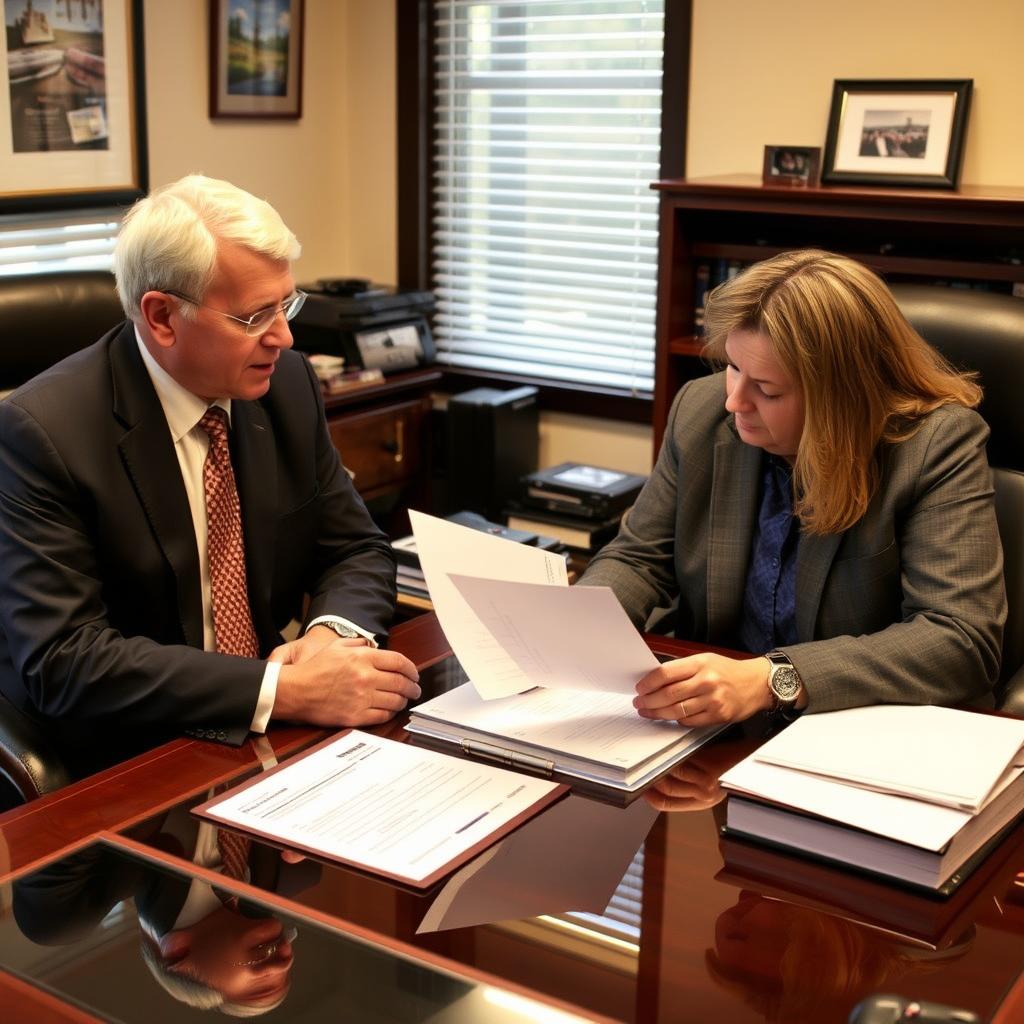
CDL Suspension Lawyer Woodstock, VA
For a commercial driver, holding a CDL is not just a license — it is a livelihood. A notice of suspension can stop your career overnight. If you received a notice from the Virginia DMV or a traffic summons that could affect your commercial driving privileges, the stakes are high. At Law Offices Of SRIS, P.C., Mr. Sris and his Of Counsel work with CDL holders in Woodstock and throughout Shenandoah County to address suspension proceedings before they become permanent. Traffic matters affecting CDL holders are heard at the Shenandoah County General District Court, 112 South Main Street in Woodstock. Our Woodstock location is nearby on North Main Street, and we are available to review your situation. To speak with an experienced team about keeping your CDL, reach Law Offices Of SRIS, P.C. at (888) 437-7747. Law Offices Of SRIS, P.C. – Advocacy Without Borders.
What CDL Suspension Means in Woodstock, Virginia
A CDL suspension is distinct from an ordinary driver’s license suspension. Under Virginia law, commercial drivers are subject to stricter standards, and a violation that might only result in points or a fine for a non-CDL holder can trigger a mandatory disqualification. The Virginia Commercial Driver’s License Act (Va. Code § 46.2-341.1 et seq.) governs CDL issues, and § 46.2-341.18 outlines the specific grounds for disqualification. When a Woodstock driver is cited for a serious traffic violation while operating any motor vehicle — not just a commercial vehicle — the consequences can endanger the CDL. A CDL suspension in Shenandoah County means the individual cannot legally drive a commercial motor vehicle for the period of disqualification. This can cost a driver their job and future employment opportunities. Because many Woodstock-area CDL holders use I‑81 and Route 11 for work, traffic enforcement by the Virginia State Police and local deputies is a constant presence, and a single roadside decision can lead to court proceedings.
CDL suspension matters in Woodstock are heard before the Shenandoah County General District Court. That court handles both the traffic charge itself and any related Department of Motor Vehicles administrative action. Understanding what the court will consider and what defenses may be available is critical. Mr. Sris and his Of Counsel appear at this courthouse regularly, and they help CDL holders navigate both the courtroom proceeding and the DMV’s separate administrative process. Whether the underlying allegation is a moving violation, a DUI with the lower 0.04% limit, or a refusal to submit to a chemical test, the approach to protecting the CDL begins with a careful review of the evidence and a strategy designed to safeguard your commercial credential.
How Mr. Sris and His Of Counsel Handle CDL Suspension Cases
When a CDL holder contacts Law Offices Of SRIS, P.C., the first step is to evaluate the charge, the motor vehicle stop, and any administrative DMV notices. Mr. Sris and his Of Counsel examine whether the law enforcement officer had a valid basis for the stop, whether field sobriety or breath tests were administered properly, and whether any procedural errors may support a challenge. Because a CDL suspension can be triggered by a conviction for a disqualifying offense, the focus is often on seeking a favorable resolution in the traffic case — such as a reduction to a non‑disqualifying offense or a dismissal — that avoids the automatic suspension. Even if a suspension is statutorily required, the firm works to minimize the length and collateral effects.
The Shenandoah County General District Court follows specific procedures, and Mr. Sris and his Of Counsel are familiar with the local prosecutors and courtroom practice. While each case is unique, the firm’s approach includes evaluating whether a CDL holder qualifies for any driving‑related relief that preserves commercial privileges, exploring whether the DMV has met its burden in an administrative hearing, and advising the client on the steps required to obtain a reinstated license when the suspension period ends. Throughout the process, the team focuses on a straightforward objective: to help the client keep earning a living behind the wheel. No attorney can promise a particular result, but Mr. Sris and his Of Counsel bring extensive combined legal experience to every CDL matter they undertake. Results may vary.
About Mr. Sris and His Of Counsel Team
Mr. Sris, Owner and Founder of Law Offices Of SRIS, P.C., has practiced in the Virginia court system since 1997 and is a former prosecutor. His prosecutorial background gives him insight into how the Commonwealth builds its case, which he applies to the defense of CDL holders. He is admitted to practice in Virginia, Maryland, the District of Columbia, New Jersey, and New York. Mr. Sris and his Of Counsel bring extensive combined legal experience to traffic defense matters throughout the Shenandoah Valley. They have documented case results across all practice areas since the firm was founded. Results may vary. past outcomes do not assure a similar result in any individual matter.
The Of Counsel attorneys who assist with CDL suspension cases are experienced litigators, some of whom have prior law enforcement experience, giving them a practical understanding of what happens on the roadside. Together, the team reviews the law enforcement reports, the chemical test records, and the DMV paperwork with an eye toward protecting your CDL. To schedule a consultation about a CDL suspension matter, reach Law Offices Of SRIS, P.C. at (888) 437-7747.
Frequently Asked Questions
What causes a CDL suspension in Virginia?
A CDL suspension — called a disqualification — can result from a serious traffic violation committed in any motor vehicle, not just a commercial truck. Under Virginia law (Va. Code § 46.2‑341.18), common triggers include DUI with a blood alcohol concentration of 0.04% or higher, refusing a chemical test, leaving the scene of an accident, committing a felony involving a motor vehicle, or operating a CMV without the proper endorsement. A second serious traffic offense within three years may result in a mandatory year‑long or lifetime disqualification. The DMV initiates the suspension when it receives a record of a qualifying conviction or offense.
Do I need a lawyer for a CDL suspension in Woodstock?
Yes — a lawyer can help you navigate both the court proceeding and the DMV administrative process, which have different rules and standards. Without proper representation, you may not be aware of the defenses available or that a plea to a lesser traffic infraction could avoid a CDL disqualification entirely. At Law Offices Of SRIS, P.C., Mr. Sris and his Of Counsel review the charge, the evidence, and the potential consequences for your CDL before offering guidance on the trusted path forward. Many CDL holders who face suspension in Woodstock benefit from early legal advice because once a conviction enters, the DMV’s administrative suspension is often mandatory.
Can I fight a CDL suspension in Shenandoah County?
A contested traffic case or administrative hearing provides an opportunity to challenge the underlying charge and present evidence on your behalf. Mr. Sris and his Of Counsel can examine whether the traffic stop was lawful, whether the field sobriety tests or breath‑testing device were properly administered, and whether the DMV followed its own procedures. In some cases, negotiating with the prosecutor to amend the charge to a non‑disqualifying offense is the most effective way to preserve a CDL. Each case depends on its own facts, but a well‑prepared defense may lead to a dismissal or a reduction that avoids a suspension.
How long does a CDL suspension last in Virginia?
The length of a CDL disqualification depends on the offense and the driver’s prior record. A first offense serious traffic violation typically results in a shorter disqualification, but a second offense within three years or certain major offenses can trigger multi‑year or permanent disqualifications. The specific period is established by Virginia statute and by the Federal Motor Carrier Safety Regulations. During the disqualification, the driver cannot operate a commercial motor vehicle. After the disqualification period ends, a reinstatement application to DMV may be required, and there may be fees and testing requirements.
What should I do if I receive a notice of CDL suspension from the Virginia DMV?
Read the notice carefully, note the deadlines, and contact a traffic attorney immediately — time can be critical. The notice will explain whether you have the right to an administrative hearing and the timeframe for requesting one. Do not ignore it and do not assume you can simply serve the suspension and return to driving. Mr. Sris and his Of Counsel can review the notice with you, explain what the hearing involves, and determine whether challenging the suspension is appropriate. To schedule a consultation, reach Law Offices Of SRIS, P.C. at (888) 437-7747.
Can a CDL suspension affect my non‑commercial driving privilege?
Yes, many offenses that trigger a CDL disqualification also lead to a suspension of your regular driver’s license. For instance, a DUI conviction suspends both your CDL and your personal driving privileges. Even if the CDL is restored, the personal license suspension may continue. Mr. Sris and his Of Counsel address both aspects when a client faces a traffic charge with dual consequences. Working to keep the personal license intact is often as important as protecting the CDL, because transportation to work and daily tasks may depend on that privilege.
Learn more about traffic defense in Virginia on our Virginia traffic lawyer overview. For cases in nearby counties, see our Shenandoah County traffic lawyer and Warren County traffic lawyer pages.
Attorney advertising. Prior results do not guarantee a similar outcome.
Results may vary.
Case results depend on a variety of factors unique to each case.