
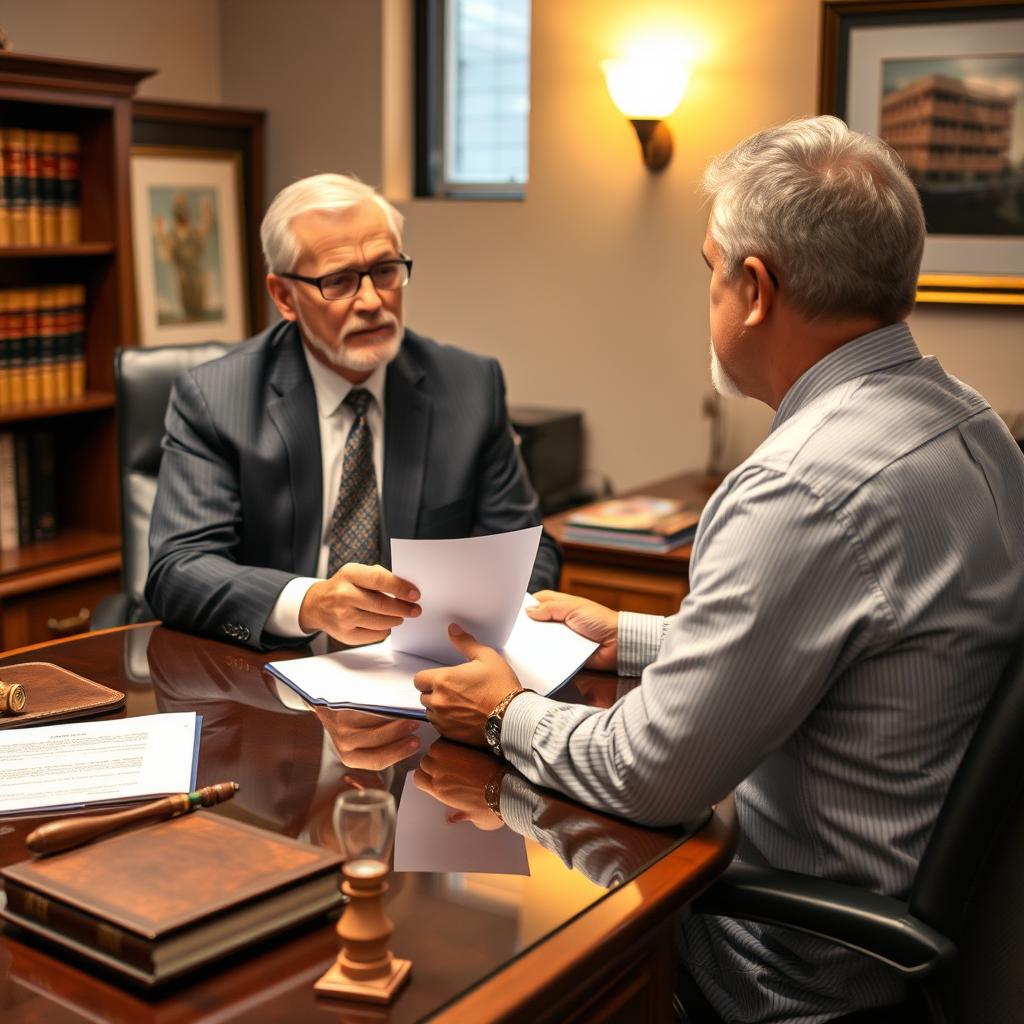
Bringing in and Harboring Aliens lawyer Rockingham County, VA
You’re on I‑81, just outside Harrisonburg, when your phone buzzes with a call from a friend — federal agents showed up at his job site asking about a recent hire. By the end of the day, you’re sitting in the U.S. District Court for the Western District of Virginia facing allegations of bringing in and harboring aliens. This is not a state charge; federal prosecutors pursue these cases under the Immigration and Nationality Act, and the government’s conviction rate consistently exceeds ninety percent. The moment an investigation touches you, the decisions you make about legal representation shape what happens next. Mr. Sris and his Of Counsel team at Law Offices Of SRIS, P.C. represent people in federal court across Virginia, including at the Harrisonburg division of the Western District. For a confidential discussion about your situation, reach our firm at (888) 437‑7747. Law Offices Of SRIS, P.C. – Advocacy Without Borders.
Strategy options for a federal harboring case
Federal prosecutors build bringing‑in‑and‑harboring‑aliens cases under 8 U.S.C. § 1324 with evidence gathered by Homeland Security Investigations and other federal agencies. An experienced defense team reviews how that evidence was collected — whether the government respected constitutional limits on searches, whether consent was truly voluntary, and whether statements you made were taken in violation of your rights. In many situations, the government’s theory relies on facts that can be challenged: you may not have known the person’s immigration status, you may have acted out of humanitarian concern rather than for commercial gain, or you may have been lied to about the circumstances. A defense strategy also looks at whether the government is overcharging — 8 U.S.C. § 1324 escalates penalties based on the number of aliens involved or whether the conduct was for profit, and those factors are often in dispute. By thoroughly testing the evidence and negotiating with the U.S. Attorney’s Office, counsel can work to have charges reduced, to secure a release that keeps you working and with your family while the case is pending, or to position the matter for the strong $1 at sentencing.
What to expect in the Western District of Virginia
Federal procedure differs from Virginia state court in meaningful ways. If you are arrested, you will appear before a magistrate judge in the Harrisonburg courthouse on North Main Street for an initial appearance — typically within 48 hours. At that hearing, the government argues whether you should be detained pending trial, and your lawyer presents evidence to show you are not a flight risk and will appear for court. A federal grand jury must return an indictment before a felony charge proceeds. From that point, the case moves through discovery — where the government must disclose its evidence — pretrial motions, and, in most instances, a resolution by plea or a trial. Because federal judges follow the U.S. Sentencing Guidelines and have discretion to vary from them, how the offense is classified, the role you are alleged to have played, and any acceptance of responsibility you demonstrate all influence the outcome. The firm’s familiarity with the practices of the Western District, the Assistant U.S. Attorneys who handle immigration‑crime cases, and the procedural rhythms of the Harrisonburg division allow us to advise you at each stage.
Federal penalties for immigration‑related offenses
Convictions under 8 U.S.C. § 1324 carry significant consequences. The statutory maximum term of imprisonment depends on whether the charge involves simply transporting or harboring, whether it was done for financial gain, whether serious bodily injury or death resulted, and the number of aliens involved. Beyond incarceration, a person convicted faces the near‑certain loss of immigration status, possible denaturalization, and removal proceedings. After released from custody, supervised release typically follows for years. There is no parole in the federal system; a person convicted will serve the entire sentence imposed by the court, apart from good‑time credit of up to 54 days per year. Moreover, federal law allows the forfeiture of property used to facilitate the offense — vehicles, real estate, and money can all be seized. Because so much is at stake, building a defense from the first contact with law enforcement is critical.
Attorney credentials — Mr. Sris and his Of Counsel
Mr. Sris, Owner and Founder of Law Offices Of SRIS, P.C., has practiced criminal law since 1997. A former prosecutor, he understands how the government constructs immigration‑crime cases and brings that insight into defense work for clients throughout Virginia. He is admitted in Virginia, Maryland, the District of Columbia, New Jersey, and New York, and appears regularly in the U.S. District Court for the Western District of Virginia. Mr. Sris works alongside experienced Of Counsel attorneys who collectively bring over 120 years of combined legal experience backed by 4,739+ documented firm-wide results. Results may vary. Every federal matter is reviewed with careful attention to the indictment, the government’s evidence, and the sentencing exposure. The team works collaboratively, preparing every case for the possibility of trial so that prosecutors know we are ready. For a detailed statutory analysis of federal harboring offenses, visit our firm’s main practice page at https://srislawyer.com/virginia-federal-criminal-defense-lawyer/.
Frequently Asked Questions
What should I do if I am facing federal bringing in and harboring aliens charges in Rockingham County?
Contact a federal criminal defense attorney immediately and do not speak with law enforcement without counsel present. Federal investigators may approach you casually, but anything you say can be used in court. Preserve any relevant documents, records, or correspondence, and do not discuss the facts with anyone except your lawyer. The U.S. Attorney’s Office for the Western District of Virginia handles these cases actively, and early legal advice can protect your rights and options. For a consultation, reach Mr. Sris and his Of Counsel at (888) 437‑7747.
What are the penalties for bringing in and harboring aliens in Virginia?
Penalties range from several years to decades in prison depending on the number of aliens, whether the conduct was for financial gain, and whether injury occurred. A conviction can also lead to supervised release, forfeiture of assets, and immigration consequences including removal. The federal system has no parole, so an incarcerated person serves the full sentence less earned good‑time credit of up to 54 days per year. Outcomes vary based on the specific charges and how they are resolved; a defense strategy focused on challenging the government’s evidence can be crucial.
How does a federal criminal defense lawyer challenge bringing in and harboring aliens charges?
A defense lawyer examines how the government obtained its evidence, identifies weaknesses in the prosecution’s case, and negotiates toward a reduction or dismissal where possible. Challenges may involve contesting whether the defendant knew the person’s immigration status, whether the government violated constitutional protections during searches or interrogations, or whether the evidence supports the charged offense rather than a lesser offense. Each case is fact‑specific, and an experienced attorney will tailor the approach to the circumstances of the investigation.
How long does a federal harboring case take in the Western District of Virginia?
The timeline varies by case complexity, but many federal cases resolve within 6 to 18 months. The Speedy Trial Act requires trial within 70 days of indictment, though numerous pretrial motions and continuances can extend the schedule. Cases involving multiple defendants, extensive discovery, or novel legal issues may take longer. Each stage — initial appearance, detention hearing, arraignment, discovery, motions, and trial or plea — must be managed carefully, and your attorney can give you a better estimate once the indictment is unsealed.
Can federal harboring charges be dropped?
Yes, federal harboring charges can be dropped if the prosecution lacks sufficient evidence or the defense successfully moves to suppress key evidence. That is not the normal outcome, given the high conviction rate in federal court, but thorough motion practice and negotiation can sometimes lead to dismissal or a substantial reduction. The earlier counsel is involved, the more opportunities there are to shape the direction of the prosecution.
Do I need a lawyer for federal bringing in and harboring aliens charges in Virginia?
Yes — federal immigration‑crime charges carry severe consequences, and the government will be represented by experienced prosecutors; having your own attorney is essential to protect your rights. A lawyer can assert motions to secure your release, challenge evidence, negotiate with the U.S. Attorney, and advocate for a sentence below the guideline range. Without counsel, you navigate the case without the procedural and substantive knowledge needed to evaluate the government’s offers and make informed decisions.
Shenandoah/Woodstock Location — by appointment only
505 N Main St, Suite 103, Woodstock, VA 22664
(888) 437‑7747
Attorney advertising. Prior results do not guarantee a similar outcome. Results may vary. Case results depend on a variety of factors unique to each case.