
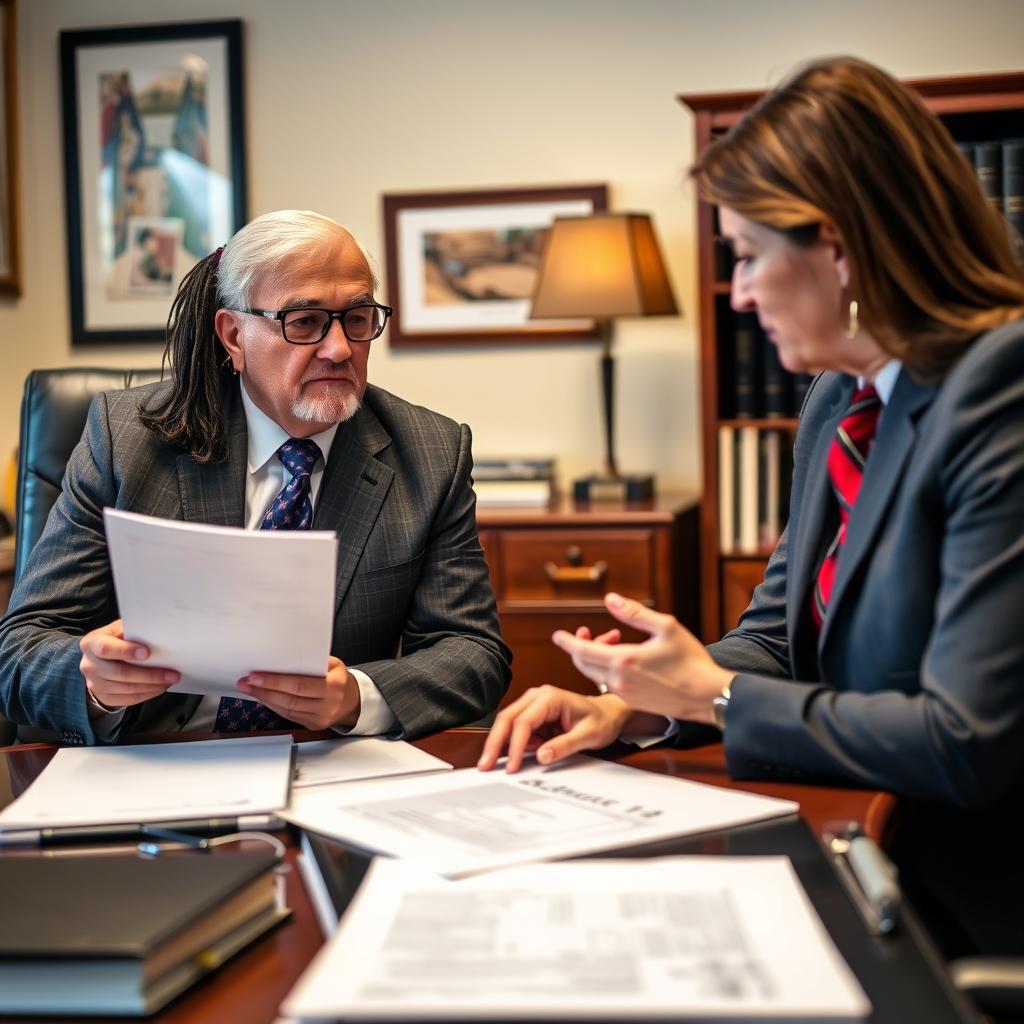
Armed Forces Divorce Lawyer Frederick County, VA
An armed forces divorce in Frederick County, Virginia, involves the same equitable distribution laws, child custody factors, and procedural requirements as any other divorce—with the added complexity of federal military pension rules, deployment schedules, and jurisdictional issues that can arise when one or both spouses serve in the Army, Navy, Air Force, Marines, or Coast Guard. At Law Offices Of SRIS, P.C., Mr. Sris and the firm’s Of Counsel attorneys represent service members and military spouses in the Twenty-sixth Judicial District, which includes the Frederick County Circuit Court and the Frederick County Juvenile & Domestic Relations District Court. The firm’s Shenandoah/Woodstock location serves clients from Winchester, Stephens City, Middletown, Clear Brook, Gore, and the surrounding communities along the I-81 corridor. To discuss your situation, reach the firm at (888) 437-7747. Law Offices Of SRIS, P.C. – Advocacy Without Borders.
What Armed Forces Divorce Means in Frederick County, VA
A military divorce in Frederick County is filed and adjudicated in accordance with Virginia law, not the Uniform Code of Military Justice. The process begins in the Frederick County Circuit Court, located at 5 North Kent Street in Winchester, which has exclusive jurisdiction over divorce, equitable distribution, and spousal support matters under Va. Code § 20-96. If the parties have minor children, custody, visitation, and child support issues may also be addressed in the Frederick County Juvenile & Domestic Relations District Court. Virginia is an equitable distribution state, meaning that marital property—including the marital share of a military pension—is divided fairly, though not necessarily equally, based on the factors set out in Va. Code § 20-107.3.
Because Frederick County is along the I-81 corridor and within commuting distance of several major installations, the local courts routinely handle cases involving active-duty personnel, reservists, and veterans. A service member’s deployment or change of station can affect parenting plans, and the Servicemembers Civil Relief Act may stay proceedings while a member is on active duty. A property settlement agreement, signed by both parties, can resolve all issues without trial, as Virginia requires at least one corroborating witness for an uncontested divorce hearing. Whether the divorce is contested or uncontested, the firm’s familiarity with local judges, court procedures, and the interaction between Virginia domestic relations law and federal military retirement rules positions the firm to guide clients through the process.
How Mr. Sris and the Firm’s Of Counsel Attorneys Handle Armed Forces Divorce Cases
Mr. Sris and the firm’s Of Counsel attorneys focus on identifying the unique issues that a military divorce presents before the first pleading is filed. That review includes determining whether the marriage meets Virginia’s residency requirements—at least six months of domicile and physical presence under Va. Code § 20-97—and evaluating whether a fault ground such as adultery or desertion or a no-fault ground based on separation is appropriate. For military families, a separation period may be satisfied even when the service member is deployed, provided the parties have lived separate and apart. The firm works with forensic accountants and business valuators when necessary to trace the marital portion of a military pension or Thrift Savings Plan and to account for non-military assets such as real estate, investment accounts, or a family business.
Once the appropriate ground is established, the firm prepares and files a petition in the Frederick County Circuit Court and, when temporary relief is needed, moves for pendente lite orders regarding support, custody, and use of the family residence under Va. Code § 20-103. Throughout the case, the firm’s attorneys appear at status conferences, settlement conferences, and, if necessary, trial. Because Virginia uses the statutory guidelines for child support and the factors in § 20-107.1 for spousal support, attention to each spouse’s income, including military allowances such as BAH and BAS, is essential. The goal in every case is a full and accurate presentation of the facts so that the court can make an informed determination on property division, support, and parenting time.
About Mr. Sris and the Firm’s Of Counsel Attorneys
Mr. Sris, Owner and Founder of Law Offices Of SRIS, P.C., is a former prosecutor who built the firm in 1997 to serve clients in Virginia, Maryland, the District of Columbia, New Jersey, and New York. He has testified before the Virginia House Courts of Justice Committee in support of 2019 HB 635 (chief patron Del. David Bulova), a bill that revised the state’s equitable distribution statute. Mr. Sris and the firm’s Of Counsel attorneys bring extensive combined legal experience to family law matters. Results may vary.
The firm’s Of Counsel attorneys include practitioners with deep trial experience, a former Virginia State Trooper whose career in law enforcement informs his approach to cases involving contested facts, and attorneys with more than thirty years of litigation background. Collectively, the firm’s attorneys appear regularly in the Frederick County courts and understand the expectations of the bench, the local procedural customs, and the practical considerations that affect military families. The firm maintains a Shenandoah/Woodstock location and serves clients by appointment. Contact the firm at (888) 437-7747 to schedule a consultation.
Frequently Asked Questions
How is a military pension divided in a Virginia divorce?
Virginia treats the marital share of a military pension as property subject to equitable distribution, not as income. Under Va. Code § 20-107.3, the court classifies the pension as marital to the extent it was earned during the marriage and before the final separation. A Qualified Domestic Relations Order is not used for military pensions; instead, the division is accomplished through a court order acceptable to the Defense Finance and Accounting Service, often using the “frozen benefit” or “deferred distribution” method. An experienced attorney can help ensure the order meets federal requirements so the non-member spouse receives their share directly from DFAS when the service member retires.
Does deployment affect custody or visitation in Frederick County?
Yes, deployment can significantly affect custody and visitation orders. Virginia law permits the court to enter temporary orders that delegate a service member’s parenting time to a family member during deployment and to restore the pre-deployment schedule upon return. The court’s primary consideration under Va. Code § 20-124.3 remains the best interests of the child, and a service member’s absence caused by military orders alone does not constitute a material change in circumstances warranting a permanent custody modification. Provisions for electronic communication and a specific parenting plan for post-deployment reunification can be included in a final decree or separation agreement.
Can I file for divorce in Frederick County if my spouse is stationed elsewhere?
Yes, if you meet Virginia’s residency requirements, you may file in Frederick County even if your spouse is stationed in another state or overseas. Under Va. Code § 20-97, at least one party must be an actual bona fide resident and domiciliary of Virginia for six months preceding the filing. A service member stationed in Virginia can establish domicile for divorce purposes even if they maintain a different home of record. If the non-filing spouse cannot be located or served personally, the court may permit service by publication or other alternative service. The firm’s attorneys can review your specific facts to determine whether jurisdiction is proper and which method of service is appropriate.
What are the grounds for an armed forces divorce in Virginia?
The grounds available in a military divorce are the same as those available in any Virginia divorce under Va. Code § 20-91. A no-fault divorce requires either one year of separation, or six months if there are no minor children and the parties have a signed separation agreement. Fault grounds include adultery, cruelty, willful desertion for one year, and conviction of a felony with imprisonment of more than one year. Adultery is the only fault ground that eliminates the separation waiting period entirely. An attorney can explain how each ground may affect property division and whether a fault-based filing is strategically warranted in your case.
Do I need a lawyer for an armed forces divorce in Frederick County?
You are not required to retain a lawyer to file for divorce, but an attorney can help you avoid procedural missteps that may affect your military benefits and your relationship with your children. A divorce involving a military pension, the Uniformed Services Former Spouses’ Protection Act, deployment-related custody issues, or the interaction between state and federal law presents legal questions that are not present in a typical civilian divorce. Law Offices Of SRIS, P.C. offers consultations by appointment. For guidance on your specific situation, reach the firm at (888) 437-7747.
Related Pages: Family Law Lawyer Clarke County, VA | Family Law Lawyer Shenandoah County, VA | Family Law Lawyer Warren County, VA | Family Law Lawyer Rockingham County, VA | Family Law Lawyer Augusta County, VA
Primary Sources: Virginia Code Title 20 (Domestic Relations) | Frederick County Circuit Court
Attorney advertising. Prior results do not guarantee a similar outcome. Results may vary.
Case results depend on a variety of factors unique to each case.