
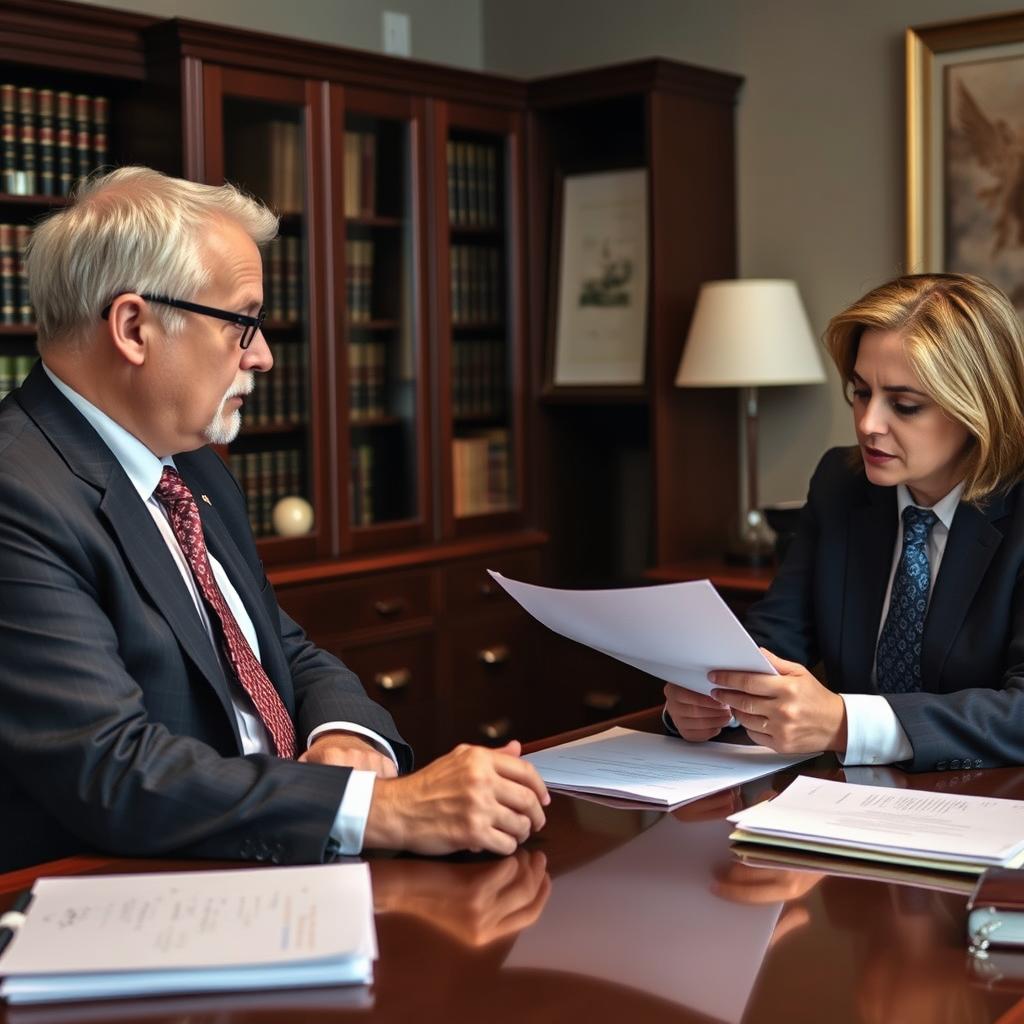
Aiding and Abetting lawyer Woodstock, VA
If you are facing an accusation that you assisted or encouraged a federal crime in the Shenandoah Valley, the next step is often an appearance at the U.S. District Court for the Western District of Virginia. The nearest federal courthouse to Woodstock is in Harrisonburg, about an hour south on I‑81. That is where federal aiding‑and‑abetting charges under 18 U.S.C. § 2 are prosecuted by the U.S. Attorney’s Office. Whether the charge involves a drug conspiracy, a fraud scheme, or an immigration offense, the legal exposure can be severe—the aider is punishable as a principal, which means the sentence you face mirrors the sentence for the person who committed the underlying crime. Law Offices Of SRIS, P.C. – Advocacy Without Borders.
The Law Offices Of SRIS, P.C. defends clients named in federal indictments and target letters across Virginia, including in the Harrisonburg division of the Western District. Mr. Sris, the firm’s Owner and Founder, is a former prosecutor who understands how the government builds aiding‑and‑abetting cases. He and his Of Counsel team bring over 120 years of combined legal experience and have documented 4,739+ case results across all practice areas since 1997. Results may vary. If you need an Aiding and Abetting lawyer in Woodstock, reach our Shenandoah location at (888) 437‑7747 to schedule a consultation.
What Aiding and Abetting Means in Woodstock, VA
Federal aiding and abetting is not a standalone offense with its own penalty. Under 18 U.S.C. § 2, a person who “aids, abets, counsels, commands, induces or procures” the commission of a federal crime is liable as a principal. In the Western District of Virginia, which covers Shenandoah County and the surrounding region, prosecutors routinely use this statute to extend liability to individuals who opened a bank account for a fraud, allowed a vehicle to be used for drug transportation, or even just provided advice that facilitated a crime.
Because Woodstock sits along the I‑81 corridor, many federal cases here involve interdiction stops that later develop into conspiracy or aiding‑and‑abetting charges. A traffic stop near Strasburg or Mount Jackson can trigger a federal investigation if agents believe the driver or a passenger was assisting in a federal drug‑trafficking or money‑laundering scheme. Early representation is critical. In the Western District, the initial appearance before a Magistrate Judge often occurs in Harrisonburg, and decisions about pretrial release are made quickly. Having counsel who knows the local federal practice—and who can appear promptly—helps protect your interests from the start.
How Mr. Sris and His Of Counsel Handle Federal Aiding and Abetting Cases
Federal criminal defense differs from state practice in significant ways. The U.S. Attorney’s Office has the grand jury, the investigative resources of the FBI, DEA, and IRS‑CI, and the leverage of the federal sentencing guidelines. In an aiding‑and‑abetting case, the prosecution must prove that you knew about the underlying crime and that you did something to help it succeed. The firm’s approach begins with a careful review of the government’s evidence to determine whether the connection between you and the principal offender was knowing and intentional, or merely incidental.
Mr. Sris and his Of Counsel assess charging documents for overreach, scrutinize the discovery, and negotiate with prosecutors about the proper role of the client in the alleged scheme. If the government cannot establish the specific intent required under § 2, the aiding‑and‑abetting charge may be dismissed or reduced. The team also challenges the admissibility of statements, electronic evidence, and witness testimony. In federal court, suppression of evidence often hinges on complex Fourth and Fifth Amendment arguments, and experience arguing those motions in Virginia’s federal courts is essential.
About Mr. Sris and His Of Counsel Team
Mr. Sris, Owner and Founder of Law Offices Of SRIS, P.C., is a former prosecutor with firsthand insight into how criminal charges are constructed. Since founding the firm in 1997, he has concentrated his practice on criminal defense and complex litigation in Virginia, Maryland, the District of Columbia, New Jersey, and New York. He testified before the Virginia House Courts of Justice Committee in support of 2019 HB 635 (chief patron Del. David Bulova). Mr. Sris is supported by Of Counsel attorneys who bring extensive experience, including backgrounds in federal criminal defense and multi‑district litigation. Together, they handle every federal case collaboratively, combining the knowledge of a former prosecutor with deep trial experience.
Frequently Asked Questions
What is federal aiding and abetting under 18 U.S.C. § 2?
Federal aiding and abetting under 18 U.S.C. § 2 makes a person who helps commit a federal crime equally liable as the principal offender. The statute does not require that you personally performed every element of the offense. If you knowingly assisted, encouraged, or facilitated the crime, you can be convicted of the same charge and face the same penalty range. The government must prove you had the specific intent to help the crime succeed. In the Western District of Virginia, aiding‑and‑abetting charges frequently appear alongside conspiracy and substantive counts in drug, fraud, and immigration prosecutions.
Do I need a federal criminal defense lawyer in Woodstock for an aiding‑and‑abetting charge?
Yes, obtaining experienced federal criminal defense counsel immediately is critical if you are under investigation or have been charged with aiding and abetting. Federal prosecutors in the Western District of Virginia possess powerful investigative tools and often file charges only after a grand jury indictment. A lawyer can intervene before charges are filed, guide you through any grand jury subpoena, and protect your rights during interviews and searches. At the Law Offices Of SRIS, P.C., Mr. Sris and his Of Counsel team understand the local federal practice and can appear at the Harrisonburg courthouse to address bail and early motions.
How does the federal court process work for an aiding‑and‑abetting case in the Western District of Virginia?
After an arrest or indictment, the defendant appears before a Magistrate Judge in the division closest to the alleged offense—for Woodstock residents, typically Harrisonburg. The initial appearance covers the charges, appointment of counsel if needed, and pretrial release conditions. A preliminary hearing or a detention hearing may follow. If the case proceeds, the defendant is arraigned and enters a plea. Pretrial motions, discovery exchange, and plea negotiations occur over the following months. If no plea is reached, a jury trial is scheduled before a District Judge; felony cases often last several days or longer. The entire process varies by case complexity and court scheduling.
What are the potential penalties for federal aiding and abetting?
The penalty for aiding and abetting mirrors the penalty for the underlying federal offense. Because the aider is punishable as a principal, a conviction carries the same statutory maximum imprisonment, supervised release term, and fine as the underlying crime. For example, assisting in a drug trafficking offense that carries a ten‑year mandatory minimum would expose the aider to that same mandatory minimum. Federal sentences are governed by the United States Sentencing Guidelines; there is no parole in the federal system, and an inmate serves at least 85% of the imposed term. Sentencing calculations consider the role of the defendant and any acceptance of responsibility.
What should I do if I am being investigated for federal aiding and abetting?
Do not speak with law enforcement without an attorney present, and avoid discussing the matter with anyone else—including family and friends—who could later be called as a witness. Federal agents may approach you without a lawyer; politely decline to answer questions and state that you want to speak with an attorney. Preserve any relevant documents and do not delete electronic records, as data destruction can lead to separate obstruction charges. Contact the Law Offices Of SRIS, P.C. as soon as possible at (888) 437‑7747 so that counsel can engage with the U.S. Attorney’s Office on your behalf and work to protect your rights before any charges are formally filed.
How can the Law Offices Of SRIS, P.C. assist with a federal aiding‑and‑abetting case in Shenandoah County?
Mr. Sris and his Of Counsel team defend clients at every stage of a federal investigation or prosecution, from pre‑indictment advocacy to jury trial. They examine the government’s evidence for weaknesses, such as lack of the required intent or reliance on a cooperating witness whose credibility can be challenged. The firm negotiates with federal prosecutors to seek dismissal or reduction of charges, and, when appropriate, negotiates plea agreements that minimize exposure. Throughout the process, clients receive straightforward advice about the choices they face and the likely consequences under the federal sentencing guidelines. For a consultation, reach our Shenandoah location at (888) 437‑7747.
How long do federal criminal cases typically take in the Western District of Virginia?
The duration of a federal criminal case depends on the complexity of the matter and the court’s calendar. The Speedy Trial Act requires that trial begin within seventy days of indictment, but pretrial motion practice often requires the exclusion of time from that calculation. A straightforward case may resolve in several months; a multi‑defendant conspiracy or a complex white‑collar case can take well over a year. Early negotiations, motion practice, and the need for forensic analysis all influence the timeline. Mr. Sris and his Of Counsel keep clients informed about expected milestones throughout the litigation.
Can I get a federal charge dismissed if I was only a minor participant?
A minor role in the offense can be a basis for a lesser sentence, but dismissal of the charge itself depends on the government’s ability to prove the elements of the offense beyond a reasonable doubt. If the prosecution cannot establish that you had the specific intent to facilitate the crime, the defense may move to dismiss. Mitigating factors, such as a minimal role under the sentencing guidelines, can also reduce the guideline range. An experienced federal defense attorney can evaluate whether the evidence supports a challenge to the charge or whether focusing on sentencing mitigation is the stronger path.
What is the difference between aiding and abetting and conspiracy in federal court?
Conspiracy requires an agreement between two or more persons to commit a crime and an overt act in furtherance of that agreement. Aiding and abetting, by contrast, does not require an agreement—it requires that the defendant knowingly helped someone else commit a crime while that crime was occurring. A person can be convicted of both conspiracy and aiding and abetting for the same underlying offense if the evidence supports each charge independently. Understanding the distinction is important because the sentencing calculations, including guideline adjustments, may differ.
What are the benefits of hiring a local Woodstock‑area attorney for a federal case heard in Harrisonburg?
While federal law applies uniformly, an attorney familiar with the local bench and the practices of the Western District’s U.S. Attorney’s Office can tailor strategy effectively. Mr. Sris and his Of Counsel have appeared frequently in the Harrisonburg division and maintain professional relationships with federal prosecutors and court personnel. This familiarity helps them anticipate how particular judges address bond requests, motion practice, and evidentiary disputes. The Shenandoah location of the firm is conveniently accessible from Woodstock, Edinburg, Strasburg, and surrounding communities; contact us at (888) 437‑7747 to discuss your case.
The Law Offices Of SRIS, P.C. represents clients in federal criminal matters across Virginia, including cases heard in the U.S. District Court for the Western District of Virginia. For a consultation, reach our Shenandoah location at 505 N Main St, Suite 103, Woodstock, VA 22664; phone (888) 437‑7747. By appointment only.
Related: Federal Criminal lawyer Fairfax County · Federal Criminal lawyer Fairfax City · Federal Criminal lawyer Falls Church City · Virginia Federal Criminal Defense Overview
Authoritative reference: 18 U.S.C. § 2 (Cornell LII) · U.S. District Court for the Western District of Virginia · Virginia Judicial System.
Attorney advertising. Prior results do not guarantee a similar outcome. Results may vary. Engaging Law Offices Of SRIS, P.C. Requires a signed engagement agreement. © 1997-2026 Law Offices Of SRIS, P.C.
Case results depend on a variety of factors unique to each case.