
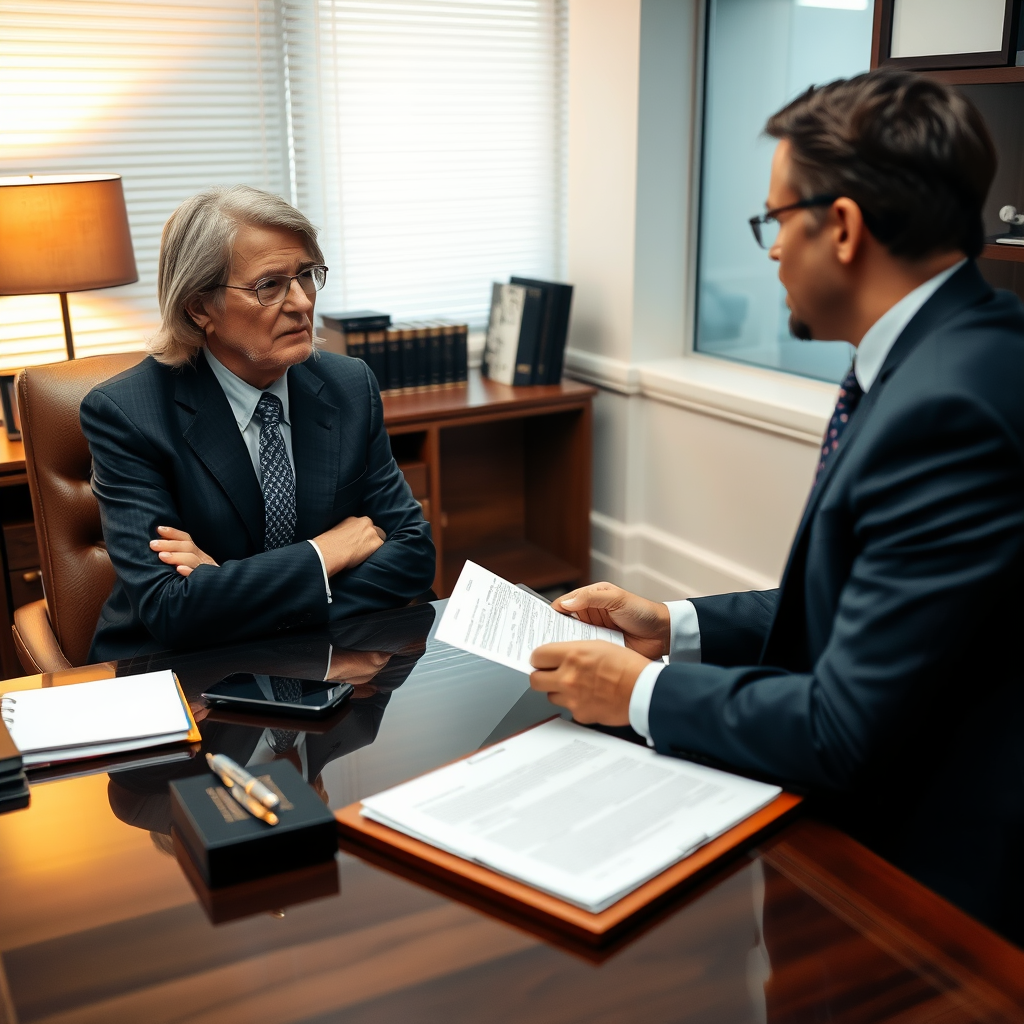
What Is Commercial Fraud in Woodstock, Virginia?
Commercial fraud is a complex area of law that involves the intentional deception or misrepresentation used to secure financial gain. When allegations of commercial fraud arise in Woodstock, Virginia, they can be incredibly stressful and confusing. The core issue generally revolves around a scheme where one party knowingly provides false information—whether through written documents, verbal assurances, or digital communications—to induce another party to act, usually by transferring money or valuable assets.
Because the scope of fraud can range from simple misstatements to elaborate, multi-state schemes, understanding the specific elements required to prove commercial fraud is critical. The law governing these matters is highly fact-dependent, meaning that what constitutes illegal deception in one circumstance may be perfectly legal in another. If you are facing questions regarding commercial fraud in Woodstock, Virginia, or any related financial dispute, speaking with an experienced attorney who understands the nuances of Virginia and federal law is essential to understanding your rights and potential defenses.
What Exactly Constitutes Commercial Fraud?
At its most basic level, commercial fraud involves a deliberate act of deceit committed for financial benefit. Unlike simple negligence or breach of contract, fraud requires proof of intent. It is not enough to show that a mistake was made; the prosecution or plaintiff must demonstrate that the person making the statement knew it was false at the time they said it.
To establish a claim of commercial fraud, generally, four key elements must be proven:
- Misrepresentation of Fact: A false statement of fact must have been made. This can be an outright lie or an omission—the failure to disclose information that was legally required to be disclosed.
- Knowledge of Falsity (Scienter): The person making the statement must have known it was false when they said it. This element of intent is often the most difficult part of a fraud case to prove.
- Intent to Deceive: The primary goal of the misrepresentation must have been to trick the victim into believing the lie.
- Reliance and Damages: The victim (the plaintiff) must have actually relied on that false statement, and that reliance must have directly caused them quantifiable financial damages.
Common Types of Commercial Fraud
The term “commercial fraud” is an umbrella term covering many specific criminal and civil statutes. Depending on the method used, the fraud can fall under several categories:
- Securities Fraud: This occurs when false or misleading information is disseminated about stocks, bonds, or other financial investments to manipulate the market or induce investment.
- Wire Fraud: This is a federal charge that applies when interstate communications (like emails, phone calls, or internet postings) are used in furtherance of a fraudulent scheme.
- Mail Fraud: Similar to wire fraud, this involves using the U.S. Postal system (mail) to execute a fraudulent scheme.
- Identity Theft and Phishing: These modern forms involve stealing personal identifying information (PII) to commit financial crimes, often through deceptive emails or websites.
- Billing Fraud: This involves submitting false claims for goods or services that were never provided.
Because these schemes can cross state lines and involve complex financial instruments, the legal ramifications are severe, potentially leading to both substantial civil judgments and federal criminal charges.
How Mr. Sris and the Firm’s Of Counsel Attorneys Handle Commercial Fraud Cases in Woodstock
Handling commercial fraud cases requires a methodical, multi-layered approach that addresses both the immediate legal jeopardy and the underlying factual complexities. Our process begins with an intensive, confidential review of all evidence—including financial records, digital communications, and contractual agreements—to determine the precise nature and scope of the alleged deception. We work to build a comprehensive timeline of events, identifying where the misrepresentations occurred and which specific elements of fraud may be implicated under Virginia or federal law.
Our team does not simply respond to accusations; we proactively build a defense or an offensive case by analyzing the statutory framework. This includes assessing whether the alleged conduct meets the high burden of proof required for scienter (intent). We coordinate with forensic accountants and digital investigators to trace the flow of funds and communications, ensuring that every piece of evidence is admissible and properly interpreted. Whether defending a client accused of fraud or representing a victim seeking recovery, our goal remains the same: to navigate the intricate legal landscape of commercial fraud in Woodstock with precision and extensive experience.
Furthermore, we understand that these cases are rarely straightforward. They often involve multiple jurisdictions and specialized financial knowledge. Our firm’s Of Counsel attorneys bring deep, niche experience from various sectors—from securities law to corporate compliance—allowing us to provide a holistic defense or representation. We guide our clients through every step, from initial consultation to final resolution, ensuring they understand the gravity of the situation while maintaining the trusted legal posture.
About Mr. Sris and the Firm’s Of Counsel Attorneys
Mr. Sris, Owner and Founder of Law Offices Of SRIS, P.C., brings decades of experience dedicated to complex litigation and white-collar defense. As a former prosecutor, he possesses an intimate understanding of how criminal investigations are conducted, which is invaluable when dealing with fraud allegations. His practice has been built on a foundation of rigorous legal analysis and a commitment to defending clients’ rights against overwhelming state and federal scrutiny. Mr. Sris is admitted in Virginia, Maryland, the District of Columbia, New Jersey, and New York, providing a multi-jurisdictional perspective that is crucial for matters involving interstate commerce.
The strength of Law Offices Of SRIS, P.C., is amplified by our network of Of Counsel attorneys. These highly specialized legal minds are independent attorneys who contribute thorough knowledge across diverse fields—including tax law, corporate governance, and financial regulation. We leverage this collective intelligence to provides clients with counsel that is not only legally sound but also strategically tailored to the unique facts of their case. This collaborative model allows us to tackle the most challenging commercial fraud matters with a depth of experience that few firms can match.
Navigating Commercial Fraud Lawyer in Woodstock, Virginia
When dealing with allegations of commercial fraud in Woodstock, Virginia, the local legal environment adds another layer of complexity. While federal statutes often govern the core elements of the crime (like wire or mail fraud), state laws—specifically Virginia Code provisions—dictate the procedural rules, evidence standards, and potential penalties applicable within the Commonwealth. A local attorney is vital because they are intimately familiar with the specific court practices, the local prosecutors’ tendencies, and the nuances of Virginia case law that might not be apparent to an out-of-state counsel.
Furthermore, the local legal community in Woodstock can provide critical context regarding jurisdictional reach. For instance, while a scheme might originate in one county, the resulting damages or communications may touch upon neighboring jurisdictions. An attorney with deep roots in the region ensures that all potential points of law are covered, preventing gaps in defense that opposing counsel might exploit. We help clients understand how local ordinances and state statutes interact with federal regulations to create a complete picture of their legal exposure.
What Are the Elements of Fraud in Virginia?
Virginia law, like many states, defines fraud through specific common law principles and statutory codes. Generally, proving fraud requires demonstrating that a false representation was made with the intent to deceive, and that the victim reasonably relied on that representation to their detriment. The concept of “reasonable reliance” is key; it means the victim must have acted as a reasonable person would after receiving the false information.
In commercial contexts, this often involves complex documentation—invoices, contracts, investment prospectuses—that must be scrutinized for inconsistencies. We examine whether the alleged misrepresentation was material, meaning that if the truth had been known, the victim likely would not have entered into the transaction. Understanding these elements allows us to strategically challenge the prosecution’s case or build a robust defense based on the lack of requisite intent or demonstrable reliance.
Commercial Fraud vs. Breach of Contract
Many people confuse commercial fraud with a simple breach of contract. While both involve broken promises, the legal gravity and required proof are vastly different. A breach of contract is a failure to perform an agreement that was valid and enforceable. The remedy is typically monetary damages equal to the loss incurred.
Fraud, however, alleges that the agreement itself was tainted from the start because it was based on a lie. If fraud is proven, the court may not only award damages but may also void the entire contract, arguing that no true meeting of the minds ever occurred. Therefore, while a breach of contract claim focuses on performance, a fraud claim focuses on deception. The distinction is critical because it dictates the potential remedies available to the injured party.
How Mr. Sris and the Firm’s Of Counsel Attorneys Handle Commercial Fraud Cases in Woodstock
The complexity of commercial fraud cases demands a highly specialized, multi-disciplinary approach. Our process begins with an intensive, confidential review of all evidence—including financial records, digital communications, and contractual agreements—to determine the precise nature and scope of the alleged deception. We work to build a comprehensive timeline of events, identifying where the misrepresentations occurred and which specific elements of fraud may be implicated under Virginia or federal law.
Our team does not simply respond to accusations; we proactively build a defense or an offensive case by analyzing the statutory framework. This includes assessing whether the alleged conduct meets the high burden of proof required for scienter (intent). We coordinate with forensic accountants and digital investigators to trace the flow of funds and communications, ensuring that every piece of evidence is admissible and properly interpreted. Whether defending a client accused of fraud or representing a victim seeking recovery, our goal remains the same: to navigate the intricate legal landscape of commercial fraud in Woodstock with precision and extensive experience.
Furthermore, we understand that these cases are rarely straightforward. They often involve multiple jurisdictions and specialized financial knowledge. Our firm’s Of Counsel attorneys bring deep, niche experience from various sectors—from securities law to corporate compliance—allowing us to provide a holistic defense or representation. We guide our clients through every step, from initial consultation to final resolution, ensuring they understand the gravity of the situation while maintaining the trusted legal posture.
About Mr. Sris and the Firm’s Of Counsel Attorneys
Mr. Sris, Owner and Founder of Law Offices Of SRIS, P.C., brings decades of experience dedicated to complex litigation and white-collar defense. As a former prosecutor, he possesses an intimate understanding of how criminal investigations are conducted, which is invaluable when dealing with fraud allegations. His practice has been built on a foundation of rigorous legal analysis and a commitment to defending clients’ rights against overwhelming state and federal scrutiny. Mr. Sris is admitted in Virginia, Maryland, the District of Columbia, New Jersey, and New York, providing a multi-jurisdictional perspective that is crucial for matters involving interstate commerce.
The strength of Law Offices Of SRIS, P.C., is amplified by our network of Of Counsel attorneys. These highly specialized legal minds are independent attorneys who contribute thorough knowledge across diverse fields—including tax law, corporate governance, and financial regulation. We leverage this collective intelligence to provides clients with counsel that is not only legally sound but also strategically tailored to the unique facts of their case. This collaborative model allows us to tackle the most challenging commercial fraud matters with a depth of experience that few firms can match.
Navigating Commercial Fraud Lawyer in Woodstock, Virginia
When dealing with allegations of commercial fraud in Woodstock, Virginia, the local legal environment adds another layer of complexity. While federal statutes often govern the core elements of the crime (like wire or mail fraud), state laws—specifically Virginia Code provisions—dictate the procedural rules, evidence standards, and potential penalties applicable within the Commonwealth. A local attorney is vital because they are intimately familiar with the specific court practices, the local prosecutors’ tendencies, and the nuances of Virginia case law that might not be apparent to an out-of-state counsel.
Furthermore, the local legal community in Woodstock can provide critical context regarding jurisdictional reach. For instance, while a scheme might originate in one county, the resulting damages or communications may touch upon neighboring jurisdictions. An attorney with deep roots in the region ensures that all potential points of law are covered, preventing gaps in defense that opposing counsel might exploit. We help clients understand how local ordinances and state statutes interact with federal regulations to create a complete picture of their legal exposure.
What Are the Elements of Fraud in Virginia?
Virginia law, like many states, defines fraud through specific common law principles and statutory codes. Generally, proving fraud requires demonstrating that a false representation was made with the intent to deceive, and that the victim reasonably relied on that representation to their detriment. The concept of “reasonable reliance” is key; it means the victim must have acted as a reasonable person would after receiving the false information.
In commercial contexts, this often involves complex documentation—invoices, contracts, investment prospectuses—that must be scrutinized for inconsistencies. We examine whether the alleged misrepresentation was material, meaning that if the truth had been known, the victim likely would not have entered into the transaction. Understanding these elements allows us to strategically challenge the prosecution’s case or build a robust defense based on the lack of requisite intent or demonstrable reliance.
Commercial Fraud vs. Breach of Contract
Many people confuse commercial fraud with a simple breach of contract. While both involve broken promises, the legal gravity and required proof are vastly different. A breach of contract is a failure to perform an agreement that was valid and enforceable. The remedy is typically monetary damages equal to the loss incurred.
Fraud, however, alleges that the agreement itself was tainted from the start because it was based on a lie. If fraud is proven, the court may not only award damages but may also void the entire contract, arguing that no true meeting of the minds ever occurred. Therefore, while a breach of contract claim focuses on performance, a fraud claim focuses on deception. The distinction is critical because it dictates the potential remedies available to the injured party.
How Mr. Sris and the Firm’s Of Counsel Attorneys Handle Commercial Fraud Cases in Woodstock
The complexity of commercial fraud cases demands a highly specialized, multi-disciplinary approach. Our process begins with an intensive, confidential review of all evidence—including financial records, digital communications, and contractual agreements—to determine the precise nature and scope of the alleged deception. We work to build a comprehensive timeline of events, identifying where the misrepresentations occurred and which specific elements of fraud may be implicated under Virginia or federal law.
Our team does not simply respond to accusations; we proactively build a defense or an offensive case by analyzing the statutory framework. This includes assessing whether the alleged conduct meets the high burden of proof required for scienter (intent). We coordinate with forensic accountants and digital investigators to trace the flow of funds and communications, ensuring that every piece of evidence is admissible and properly interpreted. Whether defending a client accused of fraud or representing a victim seeking recovery, our goal remains the same: to navigate the intricate legal landscape of commercial fraud in Woodstock with precision and extensive experience.
Furthermore, we understand that these cases are rarely straightforward. They often involve multiple jurisdictions and specialized financial knowledge. Our firm’s Of Counsel attorneys bring deep, niche experience from various sectors—from securities law to corporate compliance—allowing us to provide a holistic defense or representation. We guide our clients through every step, from initial consultation to final resolution, ensuring they understand the gravity of the situation while maintaining the trusted legal posture.
About Mr. Sris and the Firm’s Of Counsel Attorneys
Mr. Sris, Owner and Founder of Law Offices Of SRIS, P.C., brings decades of experience dedicated to complex litigation and white-collar defense. As a former prosecutor, he possesses an intimate understanding of how criminal investigations are conducted, which is invaluable when dealing with fraud allegations. His practice has been built on a foundation of rigorous legal analysis and a commitment to defending clients’ rights against overwhelming state and federal scrutiny. Mr. Sris is admitted in Virginia, Maryland, the District of Columbia, New Jersey, and New York, providing a multi-jurisdictional perspective that is crucial for matters involving interstate commerce.
The strength of Law Offices Of SRIS, P.C., is amplified by our network of Of Counsel attorneys. These highly specialized legal minds are independent attorneys who contribute thorough knowledge across diverse fields—including tax law, corporate governance, and financial regulation. We leverage this collective intelligence to provides clients with counsel that is not only legally sound but also strategically tailored to the unique facts of their case. This collaborative model allows us to tackle the most challenging commercial fraud matters with a depth of experience that few firms can match.
Where Can I Find a Commercial Fraud Lawyer Near Woodstock?
Finding the right legal counsel is perhaps the most critical step in dealing with commercial fraud allegations. While many attorneys may practice in the area, selecting one who specializes specifically in white-collar crime and financial deception is paramount. A general practitioner may understand contract law, but they may lack the thorough knowledge of federal securities regulations or Virginia’s specific statutes regarding fraudulent conveyance.
When you are searching for a commercial fraud lawyer near Woodstock, Virginia, you need someone who can connect the dots between seemingly disparate pieces of evidence—a misplaced email, an unusual bank transfer, and a misleading contract clause. We advise clients to look for attorneys with documented experience in both criminal defense (to understand the government’s investigative tactics) and civil litigation (to understand the financial recovery process). Our commitment is to provide that specialized focus right here in the Woodstock area.
What Is the Penalty for Commercial Fraud in Virginia?
The penalties for commercial fraud in Virginia are severe and depend entirely on the scale of the deception, the amount of money involved, and whether the charges are pursued criminally or civilly. Criminal penalties can include substantial fines and significant periods of incarceration, especially if federal statutes like wire fraud are implicated.
On the civil side, the consequences can involve massive financial judgments, requiring the defendant to repay not only the fraudulently obtained funds but also punitive damages designed to punish the wrongdoing. Because these cases often involve multiple layers of financial transactions, the total liability can be staggering. This variability underscores why immediate legal counsel is necessary; an attorney can help you assess your risk exposure and guide you toward mitigation strategies before the penalties are determined by a court.
How Does Commercial Fraud Affect My Business?
The impact of commercial fraud extends far beyond immediate financial losses. For a business, an allegation or even the mere investigation into fraud can destroy credibility, damage relationships with lenders and partners, and trigger regulatory scrutiny. The reputational damage alone can be irreversible, making the legal defense as important as the financial recovery.
When a company faces these allegations, it must act swiftly and strategically. This often involves implementing internal compliance measures, cooperating with investigators (when advised to do so), and preparing detailed documentation to prove that the actions taken were legitimate business decisions, not fraudulent ones. We assist businesses in navigating this crisis, helping them stabilize their operations while mounting a vigorous legal defense.
Frequently Asked Questions About Commercial Fraud in Woodstock
Q: Is commercial fraud only a federal crime?
A: No. While many large-scale schemes are prosecuted under federal statutes (like wire or mail fraud), commercial fraud can absolutely be prosecuted under state law, including Virginia Code provisions. The jurisdiction of the crime depends on where the deceptive acts took place and which laws were violated.
Q: If I was tricked, do I have to prove criminal intent?
A: Not necessarily. While criminal charges require proving the defendant’s intent to deceive, civil actions often focus on whether the misrepresentation caused quantifiable damages through reliance. The burden of proof and the required element of intent can differ significantly between civil and criminal courts.
Q: Can I use my lawyer to negotiate with investigators?
A: Yes, absolutely. Legal counsel is essential for all interactions with law enforcement or regulatory bodies. An attorney can advise you on what information to volunteer, how to answer questions without waiving rights, and how to structure cooperation to minimize legal exposure.
Q: What is the statute of limitations for fraud claims in Virginia?
A: The statute of limitations varies depending on the specific type of fraud and the nature of the underlying claim. It is critical to consult with an attorney immediately, as failing to act within the statutory window can result in the dismissal of your case.
Q: Does my insurance cover commercial fraud defense?
A: Insurance coverage is highly dependent on the specific policy, the nature of the claim, and whether the alleged fraud was committed intentionally. You must speak with an attorney to review your policy’s exclusions and coverage limits.
Q: What is the difference between civil and criminal fraud?
A: In a civil case, the goal is typically monetary compensation (damages) paid to the victim. In a criminal case, the goal is punishment (fines or jail time) imposed by the state. A single act of deception can lead to both types of proceedings.
Q: Can I defend myself against fraud charges without a lawyer?
A: While you have the right to represent yourself, commercial fraud cases are incredibly complex. The stakes are too high, and the legal requirements for defense are so specialized that retaining experienced counsel is strongly recommended.
Q: Are all financial disputes considered fraud?
A: No. Not every dispute involving money is fraud. Some issues may be simple contract disagreements, while others may involve negligence. An attorney must analyze the facts to determine which legal theory applies.
Q: What should I do if I suspect fraud against me?
A: First, secure all evidence—emails, documents, bank statements. Second, do not speak to law enforcement or opposing counsel without your attorney present. Third, contact an experienced commercial fraud lawyer immediately.
Q: Does the location of the transaction matter for jurisdiction?
A: Yes, the location is vital. If the communication or effect of the fraud crosses state lines, federal jurisdiction may apply, which can change the legal standards and potential penalties.
If you suspect that commercial fraud has occurred in Woodstock, Virginia, or if you are facing allegations related to this matter, do not delay. The window for investigation and defense planning can close quickly. Contact Law Offices Of SRIS, P.C. at (888) 437-7747 to schedule a confidential consultation.
Need immediate guidance on commercial fraud in Woodstock?
Do not attempt to navigate these complex allegations alone. Our experienced attorneys are ready to review your situation and advise you on the trusted path forward, whether you are defending against charges or seeking recovery.
Call (888) 437-7747 today to request a consultation with our team in Woodstock.
Case results depend on a variety of factors unique to each case.
Attorney advertising. Prior results do not guarantee a similar outcome.