
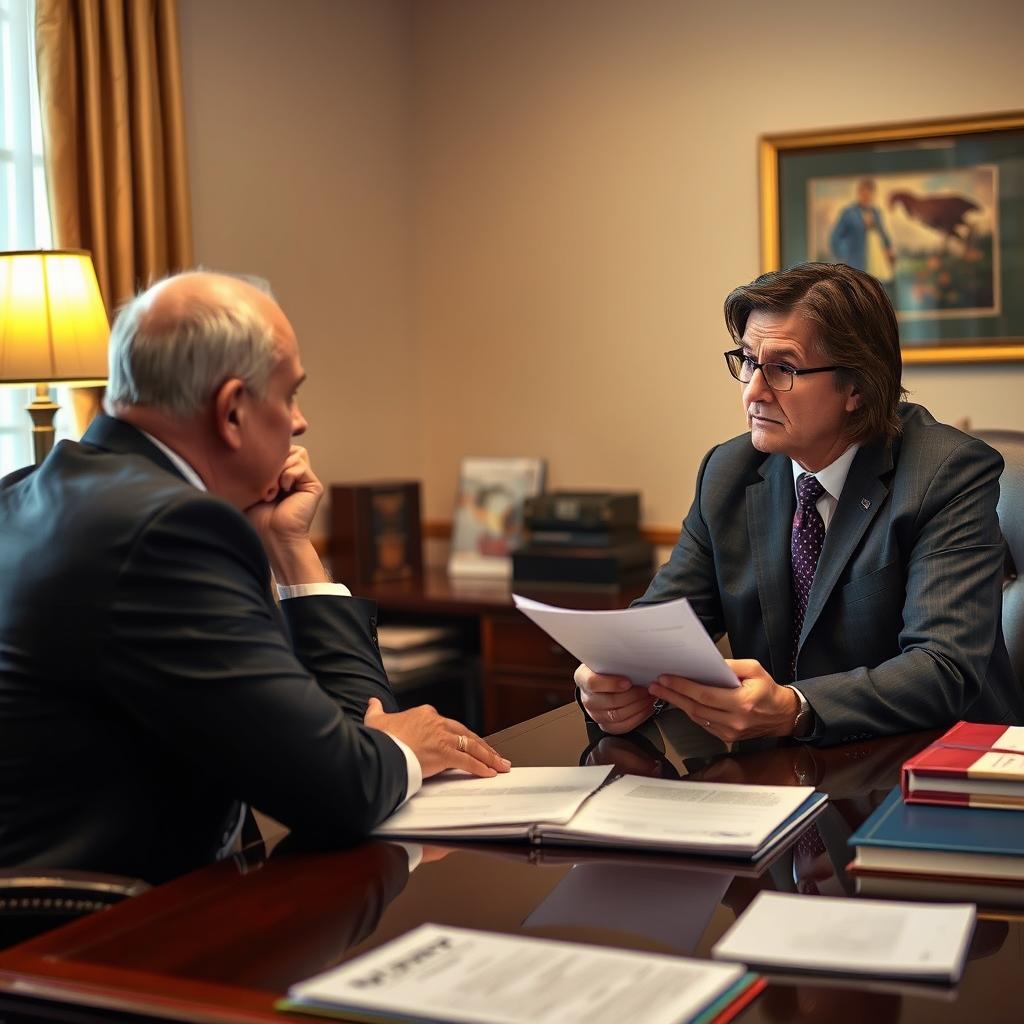
Trusts Lawyer Buffalo New York
Trusts are a cornerstone of sound estate planning, helping individuals and families in Buffalo and throughout Erie County protect assets, plan for the future, and provide for loved ones. Whether you are considering a revocable living trust to avoid probate, a special-needs trust to preserve government benefits, or need assistance administering an existing trust, Law Offices Of SRIS, P.C. offers experienced guidance. Our firm serves clients in Buffalo from our Central New York location in Cortland. Mr. Sris and the firm’s Of Counsel attorneys understand the nuances of New York trust law and work closely with each client to develop tailored solutions. To discuss how a trust might fit into your overall estate plan, reach Law Offices Of SRIS, P.C. at (888) 437-7747. Law Offices Of SRIS, P.C. – Advocacy Without Borders.
What Trusts Mean in Buffalo, New York
In New York, a trust is a legal arrangement where a trustee holds and manages assets for the benefit of designated beneficiaries. Trusts can serve many purposes — from avoiding the public process of probate at the Erie County Surrogate’s Court to managing assets for minor children, protecting a beneficiary with special needs, or minimizing estate tax exposure. While trusts are created under the New York Estates, Powers and Trusts Law, each family’s situation is unique, and the right trust structure depends on your goals, the nature of your assets, and your personal circumstances.
Buffalo residents often use trusts as part of a broader estate plan that may also include a will, powers of attorney, and healthcare directives. A properly funded trust can streamline the transfer of assets after death, keep family financial matters private, and provide a framework for ongoing management if the grantor becomes incapacitated. Working with an experienced attorney is important because trust drafting errors or incomplete funding can lead to unintended tax consequences or the need for court intervention. At Law Offices Of SRIS, P.C., we help clients in Western New York navigate these decisions with a focus on practical, clear solutions.
How Mr. Sris and the Firm’s Of Counsel Attorneys Approach Trusts Matters
Every trust engagement begins with a thorough discussion of your objectives. Our attorneys review your existing estate planning documents, analyze your asset mix, and identify any potential issues — such as out-of-state property, beneficiary designations, or business interests — that may affect trust planning. We then explain the available trust options in plain English, outline the benefits and tradeoffs of each, and draft the governing trust instrument with precision.
For clients who have been named trustee or successor trustee of an existing trust, we provide guidance on fiduciary duties, record-keeping, communication with beneficiaries, and the distribution of trust assets. When disputes arise — whether allegations of breach of fiduciary duty, trust construction issues, or contested accountings — Mr. Sris and the firm’s Of Counsel attorneys represent trustees and beneficiaries in negotiation, mediation, and, if necessary, litigation in Erie County Surrogate’s Court. Throughout the process, the firm’s multi-state perspective allows us to address issues that cross state lines, particularly for clients with family or property in neighboring states where the firm is also admitted.
About Mr. Sris and the Firm’s Of Counsel Attorneys
Mr. Sris, Owner and Founder of Law Offices Of SRIS, P.C., has practiced law since 1997 and is admitted in Virginia, Maryland, the District of Columbia, New Jersey, and New York. A former prosecutor, Mr. Sris brings a disciplined, detail-oriented approach to trust and estate matters. He has testified before the Virginia House Courts of Justice Committee in support of 2019 HB 635 (chief patron Del. David Bulova) and remains involved in legislative issues that affect the firm’s clients.
The firm’s Of Counsel attorneys contribute significant experience in trust drafting, probate administration, and fiduciary litigation. This collaborative model means that when you work with Law Offices Of SRIS, P.C., you have access to a team of legal professionals who can handle the full lifecycle of a trust matter — from initial planning through post-death administration and dispute resolution. Collectively, the firm brings substantial depth to trust matters while maintaining the individual case review that clients in Buffalo and Western New York deserve.
Frequently Asked Questions
Do I need a lawyer to create a trust in New York?
You are not legally required to hire a lawyer to create a trust in New York, but working with an experienced trust attorney helps ensure the document is properly drafted, funded correctly, and aligned with your overall estate plan. A trust that is missing key provisions or fails to transfer assets into the trust’s name may not function as intended, potentially leaving your estate subject to probate or creating unintended tax consequences. An attorney can also advise on choosing the right type of trust — such as a revocable living trust, irrevocable trust, or special-needs trust — based on your specific family and financial situation. For guidance on creating a trust, reach Law Offices Of SRIS, P.C. at (888) 437-7747.
What types of trusts are commonly used in Buffalo?
Common trusts used by Buffalo residents include revocable living trusts, irrevocable life insurance trusts, special-needs trusts, and testamentary trusts created within a will. A revocable living trust can help avoid probate and provide for management of assets if you become incapacitated. Irrevocable trusts are often employed for estate tax planning or asset protection, while special-needs trusts preserve eligibility for government benefits for a beneficiary with a disability. Testamentary trusts take effect after death under the supervision of the Erie County Surrogate’s Court. The appropriate trust depends on your goals, the value of your estate, and whether you have complex family or business considerations. Contact our firm to discuss which structure may work for you.
How does trust administration work in Erie County?
Trust administration in Erie County typically begins with the trustee gathering trust assets, providing required notices to beneficiaries, and managing trust property according to the trust document and the New York Estates, Powers and Trusts Law. The trustee has a fiduciary duty to act in the best interests of the beneficiaries, maintain accurate records, and prepare accountings. If the trust is a testamentary trust, the Surrogate’s Court may oversee certain aspects of administration. The timeline for administration varies depending on the complexity of the trust, the nature of the assets, and whether any disputes arise among beneficiaries. Our firm represents trustees and beneficiaries in all phases of trust administration in Erie County.
Can a trust help me avoid probate in Buffalo?
Yes, a properly funded revocable living trust can allow assets to pass to beneficiaries outside of probate in Erie County. Probate is the court process that validates a will and oversees the distribution of assets subject to court supervision. Assets held in a revocable living trust at the time of death are generally not part of the probate estate and can be distributed by the trustee without court involvement. To be effective, the trust must be funded during your lifetime — meaning you must retitle assets such as real estate, bank accounts, and investment accounts into the name of the trust. An incomplete transfer can cause those assets to fall back into the probate estate. We can assist with both trust creation and the funding process.
What happens if there is a dispute over a trust?
A trust dispute may be resolved through negotiation, mediation, or court litigation in the Erie County Surrogate’s Court, depending on the nature of the disagreement. Common disputes include claims that the trustee breached fiduciary duties, questions about the interpretation of trust language, or challenges to the validity of the trust based on allegations of undue influence or lack of capacity. New York law provides for compulsory accountings and other procedures that can be used to address trust conflicts. Mr. Sris and the firm’s Of Counsel attorneys have experience representing both trustees and beneficiaries in trust disputes, working to achieve a resolution that respects the grantor’s intent while protecting the rights of all parties.
How do I choose the right trustee for my trust?
Choosing a trustee requires balancing the skills and reliability of an individual — such as a family member — with the impartiality and experience of a professional fiduciary or corporate trustee. An individual trustee may understand family dynamics but may lack investment or accounting experience, while a professional trustee offers institutional knowledge but may charge fees. Some clients name a family member as trustee with a professional co-trustee, or designate a successor trustee in case the original trustee is unable to serve. The trustee’s role is demanding, so it is important to select someone who is organized, trustworthy, and capable of carrying out the trust’s terms over time. We help clients evaluate trustee options and draft trust provisions that clearly define the trustee’s powers and responsibilities. To discuss your specific situation, call (888) 437-7747.
For additional information, explore our related practice area pages:
- Estate Planning Lawyer in Buffalo
- Probate Lawyer in Buffalo
- Elder Law Attorney in Buffalo
- Special Needs Planning in Buffalo
Primary legal sources on New York trust law:
- New York Estates, Powers and Trusts Law (EPTL)
- Erie County Surrogate’s Court
- New York State Unified Court System
Attorney advertising. Prior results do not guarantee a similar outcome. Case results depend on a variety of factors unique to each case. Results may vary. Law Offices Of SRIS, P.C., 46 Greenbush Street, Suite 301, Cortland, NY 13045. By appointment only. Call (888) 437-7747.