
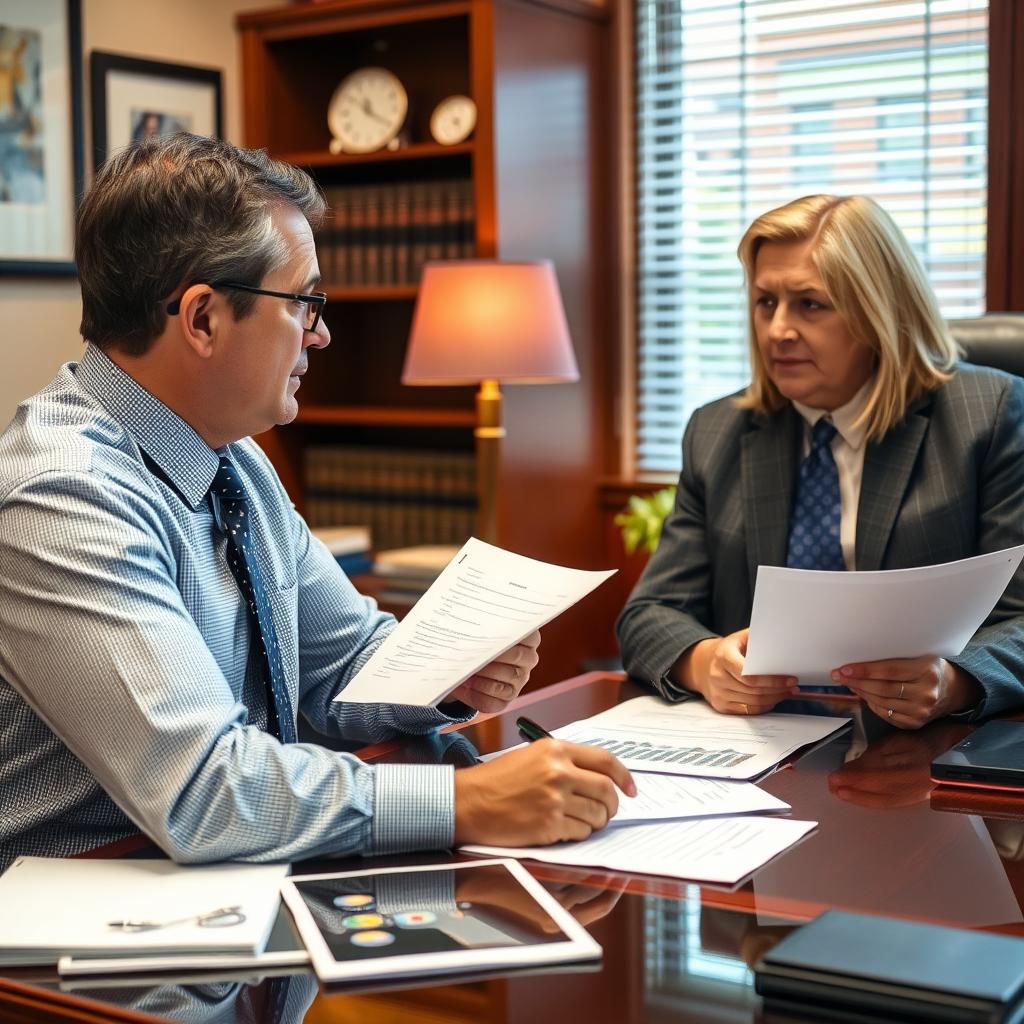
Corporate Compliance Lawyer Frederick County, VA
Businesses in Frederick County operate at the intersection of the Shenandoah Valley’s agricultural heritage and the commercial reach of Interstate 81. From Winchester’s manufacturing sector to small professional firms in Stephens City and Middletown, local enterprises face the same Virginia corporate governance requirements as any Fortune 500 company — but often without an in‑house legal department to manage them. Corporate compliance in Virginia is governed by the Virginia Stock Corporation Act, the Virginia Limited Liability Company Act, and a web of State Corporation Commission (SCC) regulations. Missing an annual report, neglecting corporate formalities, or operating without proper registration can expose owners to personal liability and administrative penalties. Law Offices Of SRIS, P.C., founded in 1997, works with Frederick County businesses to establish and maintain compliance structures that protect what owners have built. Mr. Sris and his Of Counsel team represent clients in Frederick County Circuit Court and before the SCC, helping businesses from formation through ongoing governance obligations. If you need guidance on corporate compliance for your Frederick County enterprise, call (888) 437-7747 to request a consultation. Law Offices Of SRIS, P.C. – Advocacy Without Borders.
What Corporate Compliance Means for Frederick County Businesses
Corporate compliance is the ongoing obligation of a business entity to follow its internal governing documents, the statutes under which it was formed, and the administrative rules of the State Corporation Commission. For a Virginia corporation, that starts with the articles of incorporation and corporate bylaws adopted under the Virginia Stock Corporation Act (Va. Code § 13.1‑601 et seq.). For a limited liability company, it flows from the operating agreement and the Virginia Limited Liability Company Act (§ 13.1‑1000 et seq.). Beyond initial formation, compliance includes filing annual reports, paying registration fees, maintaining a registered agent, keeping corporate minutes, and observing the formalities that separate the entity’s obligations from the owners’ personal assets. In Frederick County, businesses range from farm‑supply distributors along Route 11 to professional practices in downtown Winchester, each with distinct compliance profiles. The Frederick County Circuit Court hears business disputes that may arise when compliance lapses lead to contract disagreements or shareholder conflicts. The firm’s Shenandoah location in nearby Woodstock serves clients throughout Frederick County and the northern Shenandoah Valley.
For many Frederick County business owners, compliance feels like administrative overhead — until something goes wrong. A missed annual report can result in the SCC administratively dissolving or revoking the entity’s good standing. A failure to keep current corporate minutes can allow a plaintiff to argue that the business is merely an alter ego of its owner, exposing personal assets to business creditors. Virginia law recognizes the principle of limited liability only when the entity observes its required internal governance. The State Corporation Commission’s online filing system permits businesses to stay current, but procedural missteps — such as filing the wrong amendment or failing to notify the SCC of a registered agent change — can lead to prolonged administrative entanglements. An attorney experienced with corporate compliance can help Frederick County businesses build a calendar of deadlines, draft minutes that reflect actual board action, and prepare the necessary filings to maintain good standing with the Commonwealth.
How Mr. Sris and His Of Counsel Handle Corporate Compliance Matters
Corporate compliance representation is rarely a single court appearance; it is an ongoing advisory relationship. Mr. Sris and his Of Counsel begin by reviewing the entity’s formation documents, existing minutes, and SCC filings to identify gaps. They then work with the business to resolve outstanding compliance deficiencies — such as filing annual reports, reinstating administrative standing, or updating registered agent information — before those issues ripen into disputes. When a compliance matter reaches litigation, whether it is a shareholder derivative suit, a contract claim that turns on the business’s legal status, or an enforcement action alleging unauthorized business activity, the firm appears in the Frederick County Circuit Court and, where appropriate, the Frederick/Winchester General District Court. The practice concentrates on resolving disputes efficiently while preserving the business’s operational continuity.
The team’s approach is grounded in Virginia’s corporate code. They analyze the entity’s structure under the applicable statute — corporation, LLC, partnership, or limited partnership — and advise on the steps needed to bring the business into alignment. Because Virginia’s statutory framework gives substantial weight to operating agreements and shareholder agreements, the firm frequently assists owners in drafting or amending those internal documents to reflect current ownership, management, and profit‑sharing arrangements. When litigation is unavoidable, the firm works toward favorable outcomes, guided by the procedural rules that govern business disputes in Virginia courts. The timeline of any compliance remediation or litigation depends on the complexity of the issues and the court’s calendar; the firm works to move matters forward as efficiently as the process allows.
About Mr. Sris and His Of Counsel Team
Mr. Sris, Owner and Founder of Law Offices Of SRIS, P.C., has practiced law since 1997 and is admitted in Virginia, Maryland, the District of Columbia, New Jersey, and New York. His background includes experience as a former prosecutor, which involved courtroom advocacy in criminal trials — experience that proves valuable in commercial litigation where trial readiness often drives settlement leverage. Mr. Sris testified before the Virginia House Courts of Justice Committee in support of 2019 HB 635 (chief patron Del. David Bulova). He focuses the firm’s business law practice on providing clear, practically‑oriented compliance counsel to businesses throughout the Commonwealth. His Of Counsel team consists of attorneys engaged through Excella, each with substantial litigation and transactional experience. Collectively, Mr. Sris and his Of Counsel bring experience in entity formation, contract negotiation, business litigation, and regulatory compliance, serving clients in Frederick County and across Virginia.
Frequently Asked Questions About Corporate Compliance
Do I need a lawyer to handle corporate compliance for my Frederick County business?
Not every compliance task requires an attorney, but legal guidance helps avoid personal liability and administrative pitfalls. Virginia business owners can file annual reports with the SCC and prepare routine minutes without a lawyer. However, when a business faces an administrative dissolution, a dispute among owners arising from unclear governing documents, or litigation in Frederick County Circuit Court, experienced legal counsel is essential. An attorney can identify gaps in compliance that an owner might overlook, negotiate resolutions to compliance‑based disputes, and represent the business in court. For a Frederick County enterprise with years of invested capital, the cost of a compliance failure far exceeds the cost of preventive legal review. Each business’s needs are different; a consultation provides a clearer sense of the scope of work involved.
What is corporate compliance and why does it matter for a Virginia business?
Corporate compliance is the process by which a business entity adheres to Virginia corporate statutes, SCC regulations, and its own internal governance documents. Under the Virginia Stock Corporation Act and the Virginia Limited Liability Company Act, businesses must file formation documents, maintain a registered agent, update the SCC when key information changes, and file annual reports. Internal compliance — keeping written minutes, holding required meetings, and staying within the authority granted by the operating agreement or bylaws — is just as important. Failure to comply can result in the loss of limited liability protection, civil penalties, and the inability to bring or defend a lawsuit in Virginia courts. For a business in Frederick County, where personal and business assets are often closely intertwined, maintaining compliance is a fundamental risk‑management practice.
What happens if my business fails to maintain corporate compliance in Virginia?
A lapse in corporate compliance can lead to administrative dissolution, personal exposure for the business’s debts, and barriers to litigation. When an entity loses its good standing with the SCC, it may be prohibited from filing a lawsuit in Virginia courts and may be subject to administrative penalties. More seriously, a plaintiff in a civil action can argue that the business was operated as the alter ego of its owner, asking the Frederick County Circuit Court to disregard the entity structure and hold the individual personally liable. Additionally, failure to keep corporate records can result in discovery disputes and evidentiary challenges during litigation. These consequences are avoidable through routine compliance practices. Once a lapse occurs, an attorney can assist with reinstating good standing, curing filing deficiencies, and defending against any claims arising from the compliance gap.
How can a corporate compliance lawyer help my Frederick County business?
A compliance lawyer can identify gaps in your current governance structure, bring your entity back into good standing with the SCC, and represent the business in court if compliance issues lead to litigation. For a newly formed business, the lawyer drafts or reviews the articles of incorporation, bylaws, or operating agreement to ensure they align with the owners’ goals and statutory requirements. For an existing business, the lawyer conducts a compliance audit: reviewing SCC filings, examining corporate minutes, verifying the registered agent designation, and flagging any missing annual reports. If a compliance dispute has already arisen — for instance, a shareholder contention over governance practices or a contract dispute where entity status is challenged — the lawyer appears in the Frederick County Circuit Court or General District Court to advocate for the business. The aim is to bring the business into full compliance and to minimize its exposure.
How does the business compliance process work in Virginia?
Virginia business compliance involves an initial formation filing with the State Corporation Commission, ongoing annual report submissions, and internal governance documentation. The SCC processes a formation filing — such as articles of incorporation for a corporation or articles of organization for an LLC — and issues a certificate of organization or incorporation. Once formed, the entity must file an annual report and pay an annual registration fee; the due date is the last day of the entity’s month of formation. Internally, the business should hold the meetings required by its governing documents and keep written minutes of significant decisions. When ownership changes, amendments must be filed with the SCC. If a business falls out of compliance, the SCC may issue a notice of failure to file; an attorney can then work to cure the deficiency before the entity’s good standing is revoked. The timeline for each step depends on SCC processing and the complexity of the company’s structure.
How do I find a corporate compliance lawyer in Frederick County?
Look for a Virginia business law attorney who is experienced with the State Corporation Commission and the local courts in the Twenty‑sixth Judicial District. Frederick County’s business disputes are heard in the Frederick County Circuit Court and, in some cases, the Frederick/Winchester General District Court. An attorney who regularly appears in those courts and understands how judges in the district handle business matters can be a significant asset. The attorney should also be familiar with the SCC’s online filing system and the procedural requirements of the Virginia Stock Corporation Act and LLC Act. Ask about the attorney’s experience with compliance audits, entity reinstatements, and business litigation. Mr. Sris and his Of Counsel have represented businesses throughout Virginia since 1997 and offer consultations by appointment. To discuss your business’s compliance needs, call (888) 437-7747.
Related Practice Areas in the Region
Business Law Lawyer Clarke County, VA |
Business Law Lawyer Shenandoah County, VA |
Business Law Lawyer Warren County, VA |
Business Law Lawyer Rockingham County, VA |
Business Law Lawyer Augusta County, VA
Virginia Business Law Resources
Official primary sources for statutory and regulatory compliance information:
Virginia Code Title 13.1 — Corporations |
SCC Business Entity Filings |
Virginia Circuit Courts
Attorney advertising. Prior results do not guarantee a similar outcome. Results may vary.
Case results depend on a variety of factors unique to each case.