
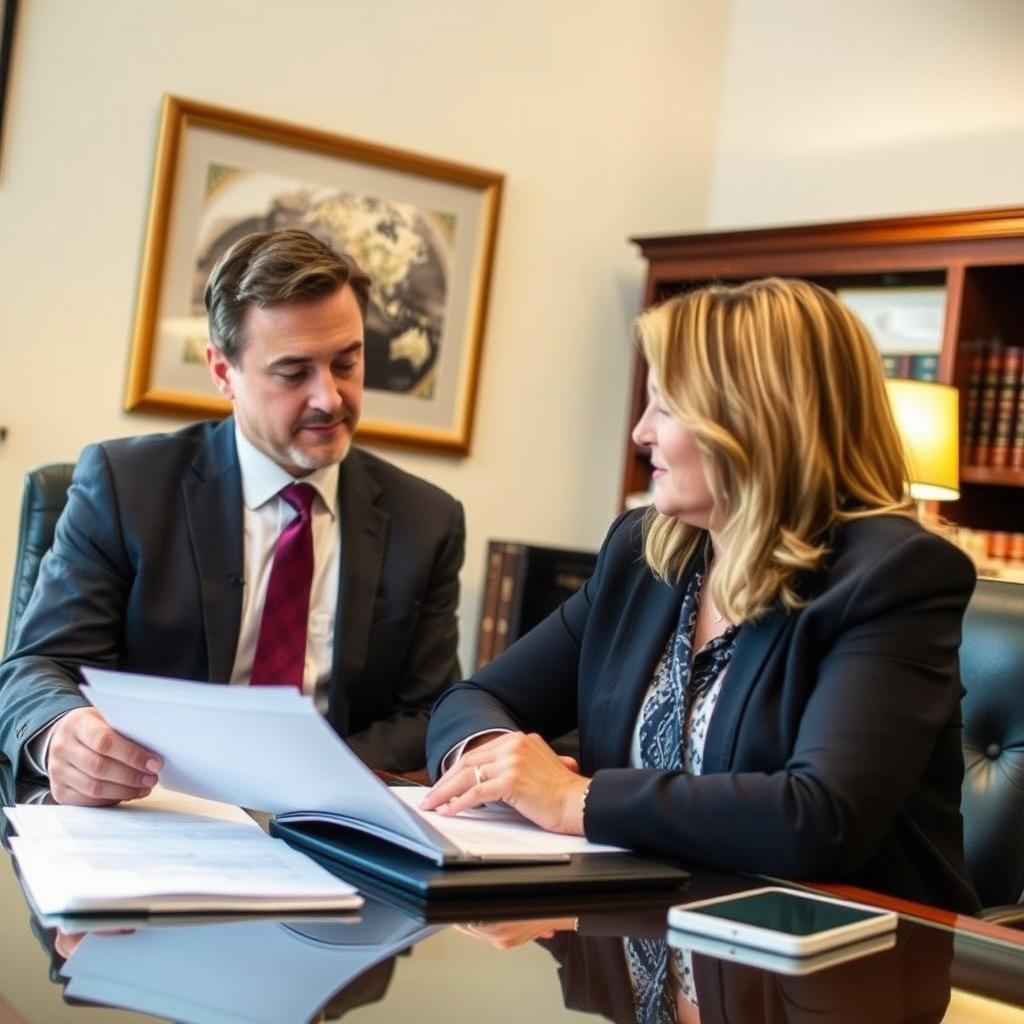
Fiancé Visa Lawyer Woodstock, VA
Bringing a fiancé to the United States involves a multistep immigration process that requires careful attention to document preparation, eligibility requirements, and consular procedures. For couples in Woodstock, Shenandoah County, and throughout the Shenandoah Valley, having an experienced immigration attorney can make the difference between a smoothly processed petition and delays, requests for evidence, or denial. Law Offices Of SRIS, P.C. assists clients with K‑1 fiancé visa petitions, helping U.S. Citizens and their foreign‑national fiancés navigate the I‑129F filing, consular interview, and adjustment of status after marriage. Our Shenandoah location, at 505 N Main St, Suite 103, Woodstock, VA 22664, serves individuals and families from Woodstock, Edinburg, Strasburg, Mount Jackson, Toms Brook, New Market, and the surrounding communities. We focus on thorough preparation so that each petition presents a complete and accurate record. To discuss your fiancé visa matter, reach Law Offices Of SRIS, P.C. at (888) 437‑7747.
What a Fiancé Visa Means for Woodstock, VA Couples
The K‑1 fiancé visa allows a U.S. Citizen to bring a foreign‑national fiancé to the United States for the purpose of getting married within 90 days of entry. After the marriage, the foreign‑national spouse may apply for lawful permanent resident status through adjustment of status. For couples in Woodstock and Shenandoah County, the process begins with the filing of Form I‑129F with U.S. Citizenship and Immigration Services (USCIS). The petition must establish that the couple has met in person within the two years before filing, that both parties are legally free to marry, and that they intend to wed within the required 90‑day window. Waivers of the meeting requirement are available in limited circumstances where compliance would create extreme hardship or violate strict cultural customs.
The USCIS Washington Field Office in Fairfax and the Annandale and Sterling Immigration Courts handle immigration matters that may affect applicants in the Woodstock area. While most fiancé visa cases proceed through administrative processing without court involvement, issues such as prior immigration violations, criminal records, or misrepresentation can lead to additional scrutiny or removal proceedings. Understanding the interplay between USCIS, the Department of State, and the immigration courts is essential. Our firm’s familiarity with these agencies and with the Virginia‑area immigration landscape allows us to anticipate potential obstacles and address them proactively.
Woodstock and the Shenandoah Valley are home to a diverse population, including many individuals with family ties overseas. Clients often need assistance in multiple languages, particularly Spanish and Tamil. Law Offices Of SRIS, P.C. offers consultations in English, Spanish, and Tamil, which helps ensure that language barriers do not complicate the visa process. The firm’s Shenandoah location provides a convenient meeting place for clients who prefer to discuss their case in person, by appointment.
How Mr. Sris and His Of Counsel Handle Fiancé Visa Cases
Mr. Sris and his Of Counsel take a structured approach to fiancé visa petitions, beginning with a detailed review of the couple’s circumstances. The team verifies that both the U.S. Citizen petitioner and the foreign‑national beneficiary meet all eligibility criteria and identify any potential issues—such as prior marriages, immigration history, or criminal records—that could trigger a request for evidence or a denial. The firm then prepares and assembles the I‑129F petition, supporting affidavits, evidence of the relationship, and documentation of the in‑person meeting requirement.
After USCIS approves the petition, the case moves to the National Visa Center and the U.S. Embassy or consulate in the beneficiary’s home country. Consular processing includes the submission of additional forms, a medical examination, and an interview with a consular officer. Mr. Sris and his Of Counsel assist clients by preparing for the consular interview, identifying documents that consular officers commonly request, and addressing any post‑interview inquiries or administrative processing. If a visa is denied, the firm evaluates the grounds for denial and advises on potential motions or appeals. Throughout the process, the firm’s multi‑state experience across Virginia, Maryland, the District of Columbia, New Jersey, and New York provides a broad perspective on immigration law, though fiancé visa petitions themselves follow federal statutes.
When a foreign‑national fiancé enters the United States on a K‑1 visa and marries the petitioner within 90 days, the couple must then file for adjustment of status. This step requires a new application packet, including medical examination results, an affidavit of support, and evidence of the bona fide marriage. Mr. Sris and his Of Counsel guide clients through the adjustment interview, helping to ensure that the couple is prepared to answer questions about the marriage and to present the required documentation. If USCIS issues a request for evidence, the firm responds thoroughly, drawing on its experience with the types of RFEs that arise in marriage‑based cases. Results may vary.
About Mr. Sris and His Of Counsel Team
Mr. Sris, Owner and Founder of Law Offices Of SRIS, P.C., has practiced law since founding the firm in 1997. He is admitted in Virginia, Maryland, the District of Columbia, New Jersey, and New York. A former prosecutor, Mr. Sris brings a thorough understanding of evidentiary standards and procedural rigor to immigration matters, including fiancé visa petitions where documentation and credibility are heavily scrutinized. Mr. Sris testified before the Virginia House Courts of Justice Committee in support of 2019 HB 635 (chief patron Del. David Bulova).
The firm’s Of Counsel team includes attorneys with diverse professional backgrounds, including former law enforcement and government service, who contribute to a comprehensive approach to each case. All non‑Sris attorneys are Of Counsel and are engaged through Excella. Collectively, the team brings experience across multiple practice areas, which helps address any ancillary legal concerns that may intersect with a fiancé visa matter, such as prior criminal matters or family law implications. Mr. Sris and his Of Counsel appear in immigration matters at local hearings and before USCIS, representing clients from Woodstock and the Shenandoah region.
Frequently Asked Questions
What is a K‑1 fiancé visa?
A K‑1 fiancé visa is a nonimmigrant visa that permits a foreign‑national fiancé of a U.S. Citizen to enter the United States for the purpose of getting married within 90 days of admission. The visa is petitioned through Form I‑129F filed with USCIS. After marriage, the foreign‑national spouse may apply for adjustment of status to become a lawful permanent resident. The K‑1 process requires proof of a genuine relationship, including evidence of the in‑person meeting, intentions to marry, and legal capacity to marry. Waivers are available in limited hardship or cultural circumstances.
Who qualifies for a fiancé visa?
To qualify for a K‑1 visa, the petitioner must be a U.S. Citizen, both parties must be legally free to marry, and the couple must have met in person within the two years before filing, with certain exceptions. The beneficiary must be a foreign national seeking to enter the United States solely to marry the petitioner. The petitioner must also meet certain income requirements to demonstrate the ability to support the spouse. Any prior marriage must be legally terminated. Additional grounds of inadmissibility, such as certain criminal convictions or past immigration violations, may affect eligibility and require waivers.
How long does the fiancé visa process take?
Processing times for fiancé visa petitions vary depending on USCIS workloads, consular availability, and any case‑specific reviews. After the I‑129F petition is filed, USCIS adjudication times fluctuate. Once approved, the case moves to the National Visa Center and then to the designated U.S. Consulate abroad, where interview scheduling adds further time. Applicants should expect a multistep process that can be extended if additional evidence is requested. For the most current processing information, consult with an immigration attorney who can assess your specific situation and monitor case progress.
Do I need a lawyer for a fiancé visa?
You are not required by law to hire an attorney for a fiancé visa petition, but legal guidance can help avoid delays, requests for evidence, or denials caused by incomplete or inconsistent filings. An experienced immigration lawyer can assess eligibility, identify potential inadmissibility issues, and prepare a petition that meets USCIS standards. Because the process also involves consular processing and adjustment of status, errors at any stage can lengthen the timeline or jeopardize approval. Mr. Sris and his Of Counsel work with clients to present complete, accurate applications from the start. For a consultation about your fiancé visa matter, reach Law Offices Of SRIS, P.C. at (888) 437‑7747.
What happens after the fiancé enters the United States?
Once the fiancé enters the United States on a K‑1 visa, the couple must marry within 90 days, after which the foreign‑national spouse may file for adjustment of status to obtain a green card. The adjustment application includes Form I‑485, supporting documents, medical examination results, and evidence of the bona fide marriage. An interview with USCIS is typically required. The spouse may also apply for work authorization and advance parole while the adjustment is pending. Failure to marry within the 90‑day window can result in the fiancé being out of status and potentially subject to removal.
What if the fiancé visa is denied?
If USCIS denies the I‑129F petition or if a consular officer denies the visa, the applicant should review the denial grounds and consider whether a motion to reopen, motion to reconsider, or renewed petition is appropriate. Common reasons for denial include insufficient evidence of the relationship, failure to meet the in‑person meeting requirement, or inadmissibility issues. An attorney can evaluate the denial notice and recommend the most efficient path forward. Sometimes a new petition with stronger documentation is preferable to an appeal. Mr. Sris and his Of Counsel assist clients in Woodstock and throughout Virginia with evaluating denied petitions and pursuing favorable outcomes. To discuss a denial or potential denial, contact the firm at (888) 437‑7747.
Related immigration services in Virginia:
Immigration Lawyer Fairfax County ·
Immigration Lawyer Fairfax City ·
Immigration Lawyer Falls Church ·
Immigration Lawyer Prince William County
Virginia primary legal resources:
Virginia Code ·
Virginia Courts ·
Virginia Legislative Information System
Attorney advertising. Prior results do not guarantee a similar outcome. Results may vary.
Case results depend on a variety of factors unique to each case.