
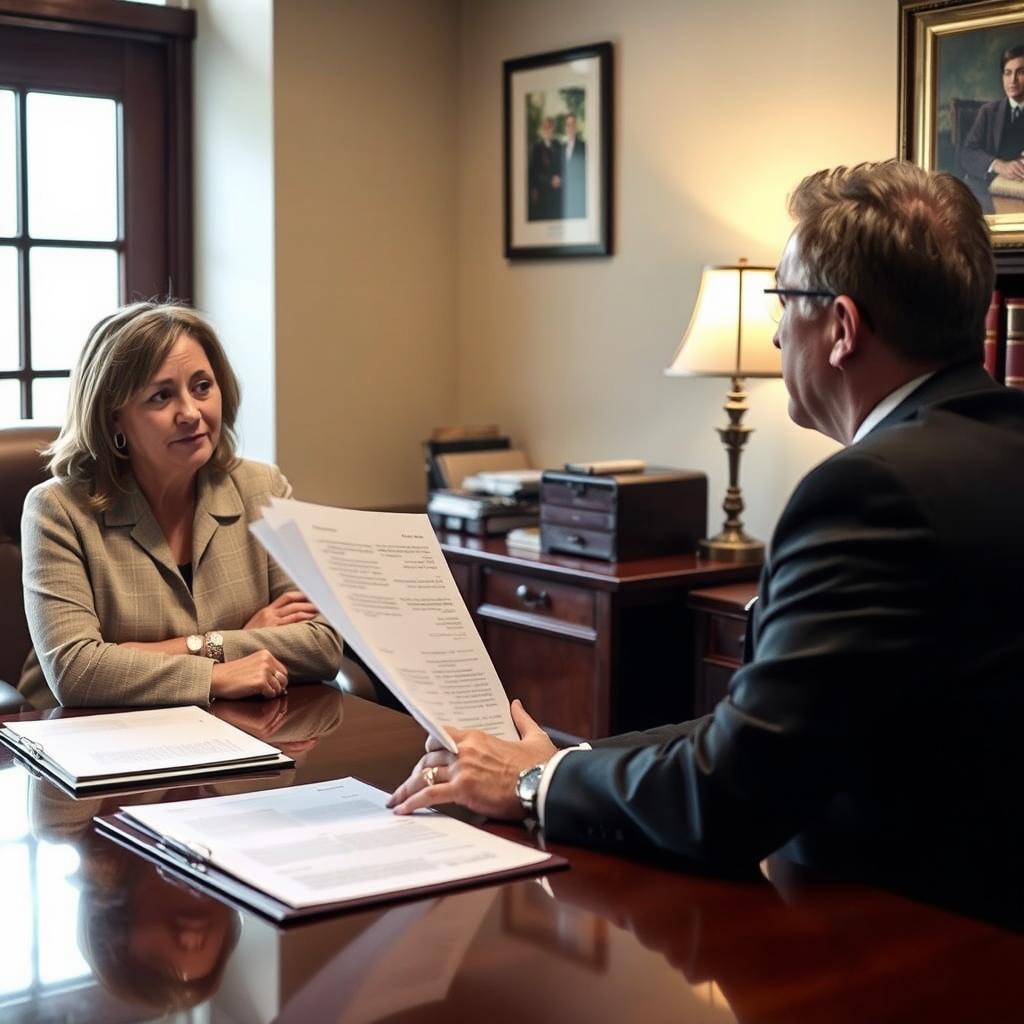
Corporate Bylaws Lawyer Rockingham County, VA
Businesses in Rockingham County, from Harrisonburg’s growing commercial centers to family‑owned operations in Bridgewater and Dayton, rely on corporate bylaws to define how their corporations are governed. Bylaws are the internal rulebook — they set out the rights and responsibilities of shareholders, directors, and officers, and they provide the framework that keeps a Virginia corporation running smoothly. When bylaws are well drafted, they protect owners from personal liability, reduce the risk of internal conflict, and meet the requirements of the Virginia Stock Corporation Act. For many businesses, the first contact with the court system happens at the Rockingham County Circuit Court, whether through a shareholder dispute, a corporate dissolution, or enforcement of governance provisions. Having experienced legal counsel who understands Virginia business law and the local court culture can help a company avoid costly missteps. Mr. Sris and his Of Counsel team assist corporate clients in Rockingham County with every stage of corporate governance, from initial drafting to dispute resolution. To discuss your corporation’s bylaws or any other business law matter, call Law Offices Of SRIS, P.C. at (888) 437‑7747. Law Offices Of SRIS, P.C. — Advocacy Without Borders.
What Corporate Bylaws Mean in Rockingham County
Virginia law, primarily through the Virginia Stock Corporation Act, grants corporations the authority to adopt bylaws that govern the internal affairs of the business. In Rockingham County, a well‑crafted set of bylaws is often the first line of defense against governance breakdowns. They spell out how directors are elected, when shareholder meetings are held, how votes are counted, and what constitutes a quorum. Without clear bylaws, a corporation may find itself unable to act decisively, or worse, subject to litigation over basic operational questions. The Rockingham County Circuit Court hears corporate disputes when bylaws are ambiguous or when one party claims a violation, and judges in the Twenty‑sixth Judicial District examine whether the internal rules were followed.
Corporate bylaws in Virginia must comply with the statutory defaults set out in Title 13.1 of the Code of Virginia. Even a small oversight — such as failing to maintain accurate corporate minutes — can later be used against a shareholder or director attempting to enforce a right. Our Shenandoah/Woodstock location works with businesses throughout the Shenandoah Valley, including those that appear before the Rockingham/Harrisonburg General District Court and the Rockingham County Circuit Court. Whether a company is headquartered in Harrisonburg or operates out of Elkton or Timberville, sound bylaws provide certainty. They also help business owners demonstrate to creditors, potential investors, and the State Corporation Commission that the corporation is operated as a separate legal entity, which is essential for preserving limited liability.
How Mr. Sris and His Of Counsel Handle Corporate Bylaws Cases
Every corporation’s situation is different, so Mr. Sris and his Of Counsel begin by learning the specific goals of the business and its shareholders. For a newly formed entity, the focus is on drafting bylaw provisions that reflect the owners’ vision while meeting Virginia’s statutory requirements. For an established corporation, the work may involve reviewing current bylaws, identifying gaps, and proposing amendments. Whether the matter involves a straightforward update or a contested shareholder dispute, the team applies the same careful approach: examine the governing documents, assess the rights of all parties under Virginia law, and present clear, practical options.
When a dispute over corporate governance reaches litigation, Mr. Sris and his Of Counsel are prepared to appear in Rockingham County courthouses. They have experience navigating the procedures of the Rockingham County Circuit Court and the General District Court. The focus remains on resolving the conflict efficiently — whether through negotiation, mediation, or trial — while protecting the client’s legal and financial interests. Every step is taken with an eye toward the corporation’s long‑term stability. For business owners concerned about board disagreements, shareholder oppression, or compliance with annual reporting obligations, seeking guidance early can often prevent the matter from escalating into litigation.
About Mr. Sris and His Of Counsel Team
Mr. Sris, Owner and Founder of Law Offices Of SRIS, P.C., has practiced law since 1997. A former prosecutor, he brings a disciplined approach to every matter, including the drafting and enforcement of corporate governance documents. Mr. Sris is admitted to practice in Virginia, Maryland, the District of Columbia, New Jersey, and New York. He testified before the Virginia House Courts of Justice Committee in support of 2019 HB 635 (chief patron Del. David Bulova), a role that reflects his commitment to clarity and fairness in the law. His extensive experience in civil litigation gives him a practical perspective on what works — and what fails — when corporate bylaws are tested in court.
Mr. Sris is joined by a team of Of Counsel attorneys who assist with business law matters across Virginia. This collaborative structure means clients benefit from a range of knowledge without any single attorney stretching across too many cases. Mr. Sris and his Of Counsel bring over 120 years of combined legal experience. Results may vary. Over the years, the firm has documented 4,739+ documented firm-wide results across all practice areas, and that breadth of experience informs its approach to corporate governance issues. For corporate clients in Rockingham County, the team is accessible at the Shenandoah/Woodstock location — by appointment only — and at (888) 437‑7747.
Frequently Asked Questions
Do I need a lawyer to draft corporate bylaws in Virginia?
A lawyer is not legally required to draft corporate bylaws in Virginia, but using template documents without legal review can create serious governance risks. Bylaws that fail to comply with the Virginia Stock Corporation Act or that conflict with a corporation’s articles of incorporation may be unenforceable. An experienced business law attorney can tailor the provisions to the specific ownership structure, protect minority shareholder rights, and address potential disputes before they arise. In Rockingham County, Mr. Sris and his Of Counsel advise clients on bylaws that align with how the company actually operates, reducing the chance of future litigation.
What happens if a Virginia corporation does not have proper bylaws?
Without proper bylaws, a Virginia corporation may be unable to take routine corporate actions, and disputes among shareholders or directors may escalate quickly. Virginia law provides default rules when a corporation has no bylaw provision on a particular topic, but those defaults may not serve the business’s interests. Gaps in governance can lead to deadlocked boards, election challenges, and claims of self‑dealing. If a matter reaches the Rockingham County Circuit Court, the parties will be held to the statutory standards, and the absence of clear bylaws often complicates the court’s ability to resolve the dispute quickly.
How do corporate bylaws protect shareholders in a Virginia business?
Corporate bylaws protect shareholders by establishing clear rules for voting, director selection, dividend distribution, and access to corporate records. They create a predictable framework that reduces the opportunity for unfair treatment of minority owners. For example, bylaws can require supermajority votes for significant decisions, such as selling the company or issuing new shares, which helps prevent a majority shareholder from acting without broader support. When a bylaw provision is properly adopted and consistent with Virginia law, a shareholder can enforce it in court.
Can corporate bylaws be amended after a business is already operating in Virginia?
Yes, corporate bylaws can be amended by following the procedure set out in the existing bylaws and the Virginia Stock Corporation Act. Typically, the board of directors or the shareholders, depending on the bylaw’s amendment provision, must approve the change by a specified vote. Some amendments require shareholder notification and a formal meeting. If the amendment process is not followed correctly, the new provision may be challenged as invalid. An attorney can ensure that the amendment complies with both the corporation’s internal rules and Virginia law, and that the minutes accurately reflect the decision‑making process.
What role do corporate bylaws play in a business dispute in Rockingham County?
In a business dispute, corporate bylaws often serve as the controlling authority that determines whether a party acted within its rights. For example, a shareholder may claim that a director was improperly removed, or a director may assert that a merger vote was conducted without a proper quorum. The Rockingham County Circuit Court will look to the bylaws, together with the corporation’s articles of incorporation and applicable Virginia statutes, to decide the dispute. Having bylaws that are clear and regularly updated can make the difference between a swift resolution and protracted litigation.
Additional resources for business owners in Virginia:
Clarke County business law representation · Shenandoah County business law representation · Frederick County business law representation · Warren County business law representation · Augusta County business law representation
Virginia corporate law is based on the Virginia Stock Corporation Act and related statutes. Primary sources include: Virginia Code Title 13.1 (business entities), SCC business entity filings, and Virginia Courts.
Attorney advertising. Prior results do not guarantee a similar outcome.
Case results depend on a variety of factors unique to each case.